





window
width : -1

clientWidth : -1
height : -1
heightVH : -1
content
left : -1
width : -1
padding : -1

card
width : -1
left: -1
column
left : -1
width : -1
gap : -1
window
width : -1

clientWidth : -1
height : -1
heightVH : -1
content
left : -1
width : -1
padding : -1

card
width : -1
left: -1
column
left : -1
width : -1
gap : -1

Global CMF Design: Ep.1 China

Restoration, Made
Your Own

New Lifestyles Reshaping Daily Life

Resilient
Movement

Ep.1 China

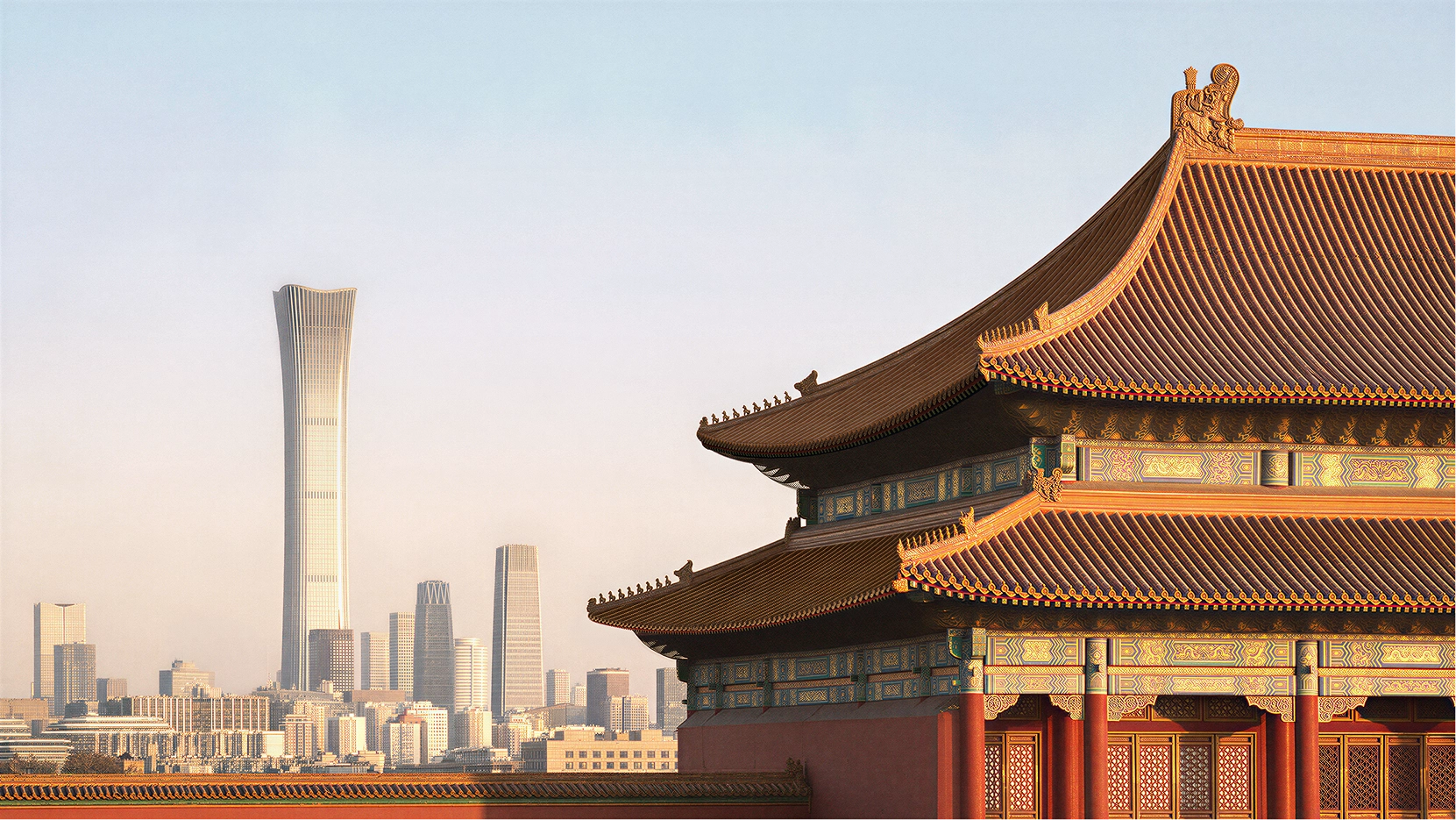
Image of the Forbidden City and the modern city skyline in Beijing, China

Reclaiming Life's Rhythm in the Everyday

In a rapidly changing China, restoration is becoming a way of life that people shape for themselves. Through meditation and exercise, rest in nearby nature, and a fresh look at long-held traditions and sensibilities, people are reclaiming their own rhythms of life. These shifts connect tradition and nature, wellness and technology in new ways, opening up possibilities for the future.

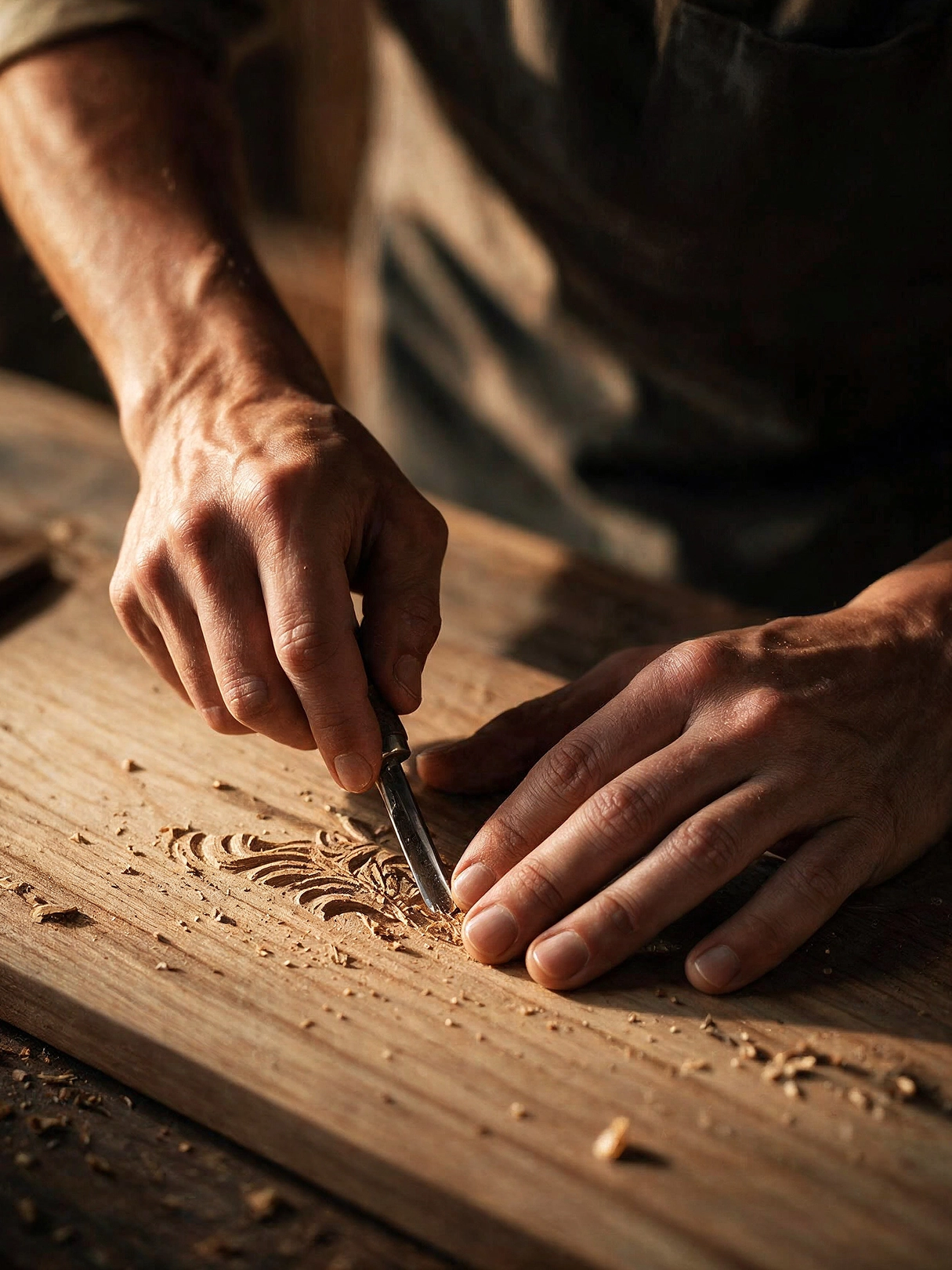
Image of a traditional Chinese artisan's hands carving patterns into wood

The Cultural Roots of Restoration

Restoration may seem like something new, but beneath it lies a long-held attitude toward life. Harmony with nature, time spent making things by hand, the value of traces left by time. Today's China carries these inherited memories into contemporary sensibilities and ways of living.

Heritage in Motion

China's traditional crafts are becoming more than objects of preservation — they are a new language for creation today. Wood carving, paper cutting, and time-honored artisanal techniques are reinterpreted in various forms across contemporary spaces and product design. Techniques of the past come alive again within present-day lifestyles, passing on a distinctly Chinese sensibility and identity.

Scars of Time

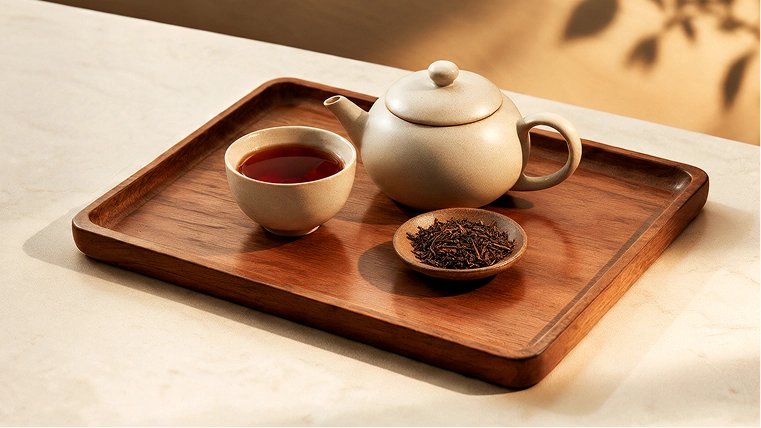
Tea and incense, the mood of a study, an artisan's touch — each brings a distinctly Chinese sensibility to spaces and materials. Textures and materials layered with the traces of time connect memories of the past to experiences of the present, offering people comfort and emotional depth. A renewed appreciation for the value of what has endured adds a new sensibility to how spaces and materials are approached today.

Image of a traditional Chinese tea set with a teapot, teacup, and tea leaves

A New Everyday Shaped by Restoration

The long-held sense of balance is now visible in what people do in daily life. Pausing in the city, setting out for nature, moving the body to reclaim one's own rhythm. Restoration is taking shape not in extraordinary moments, but in small everyday choices.

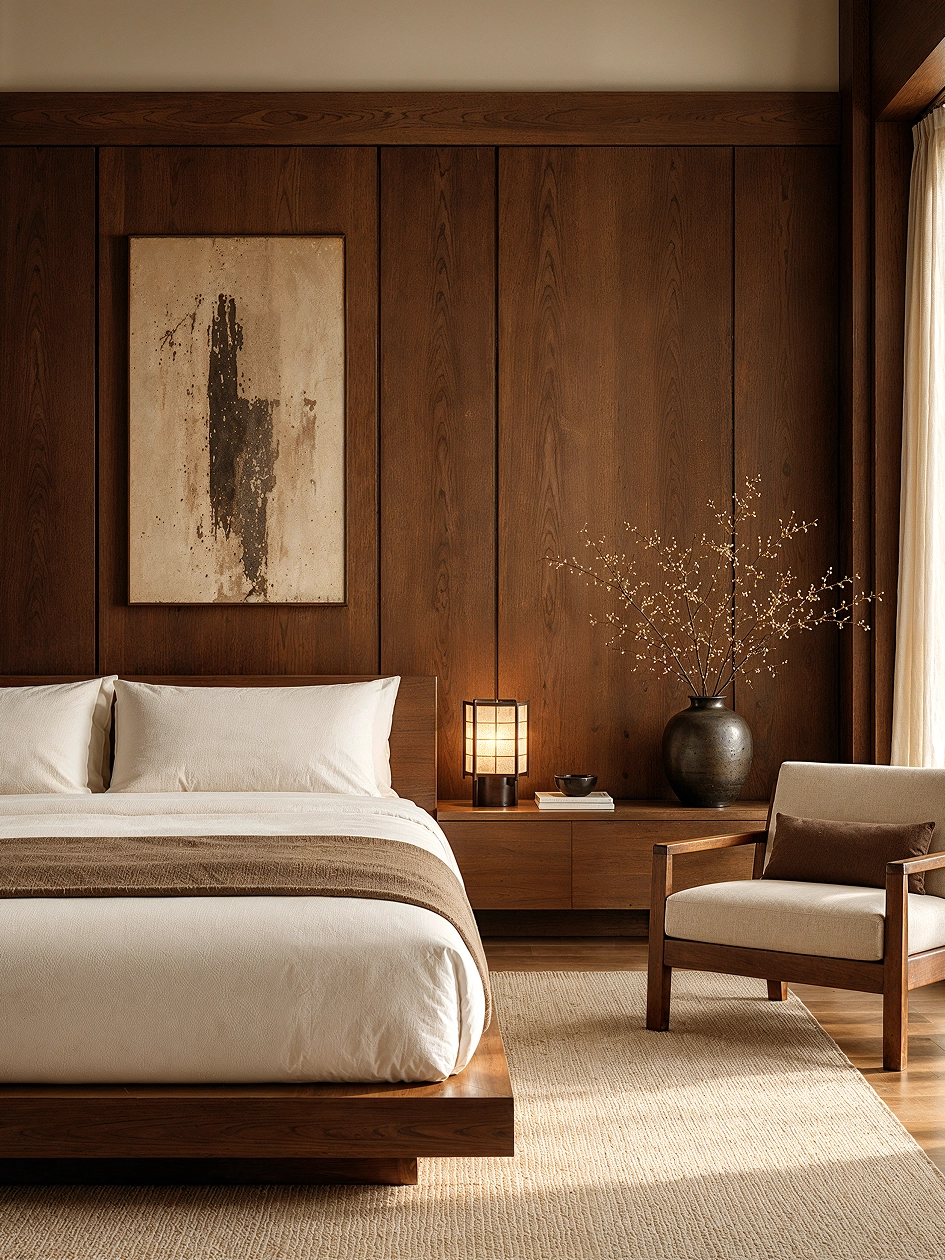
Image of a bedroom interior featuring wooden furniture and natural materials

Metropolitan Zen & Wilderness Awakening

Time spent resting and enjoying nature near the city is working its way into daily life. From hotel staycations spent entirely at rest to camping and hiking, people are finding calm and balance close to home. Restoration is becoming less about traveling far and more about tuning back into one's own senses and rhythm right where one is.

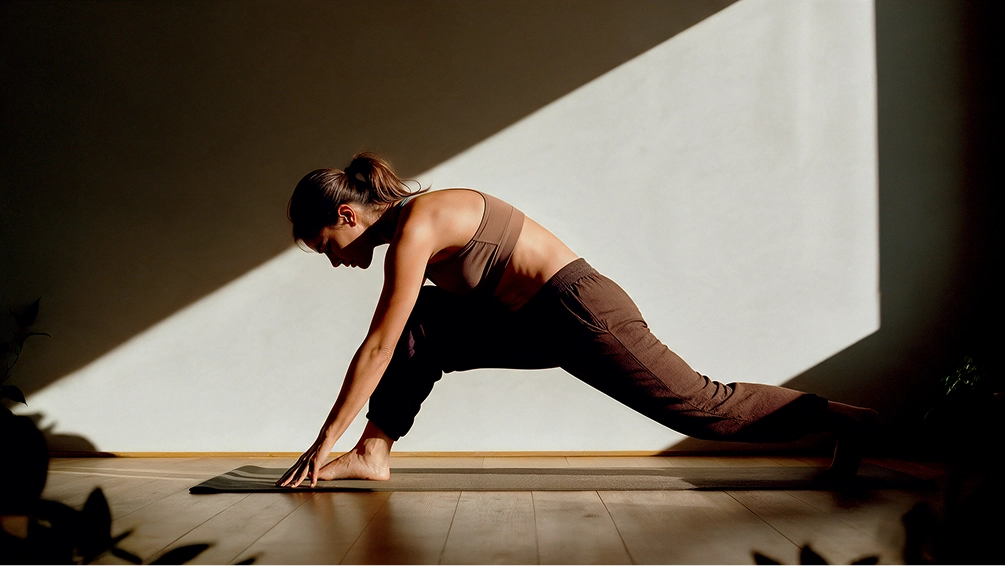
Image of a woman practicing yoga indoors

Urban Fitness

The sight of office workers gathering to exercise over lunch breaks or after work has become familiar in the city. In China, exercise has grown beyond health management into a way of self-expression and connection. Fitness is expanding from the gym into parks, communities, and digital spaces, creating a new wellness landscape where people share what they love and build relationships.

Restoration in Future Design

Sensibilities drawn from tradition and today's wellness culture are converging with technology, expanding the possibilities for design. Responsive materials and digital technologies respond to human emotion and movement, and spaces become environments attuned to the rhythms of body and mind. Future CMF(Color, Material, Finish) design is moving beyond function to respond more deeply to people's daily lives and sensibilities.

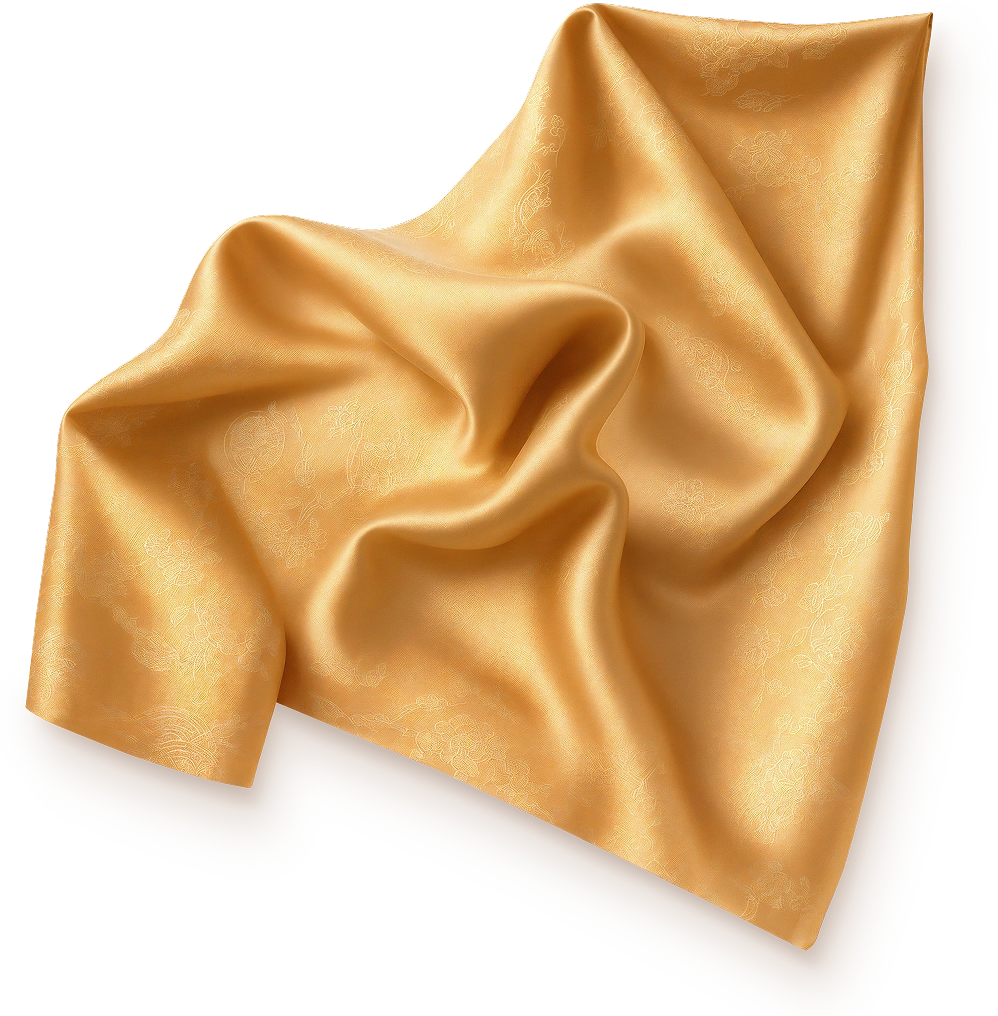
Image of golden silk fabric with soft folds and a lustrous texture

Cyber Sartorialism

Traditional garments and patterns are being reborn with a new sensibility through advanced materials and digital technology. Materials that respond to light, temperature, and movement connect the traditions of the past with future experiences, expanding what materials can do. Future CMF design goes beyond technology, leading to new experiences that embody human emotion and inherited memory.

Design Alchemy

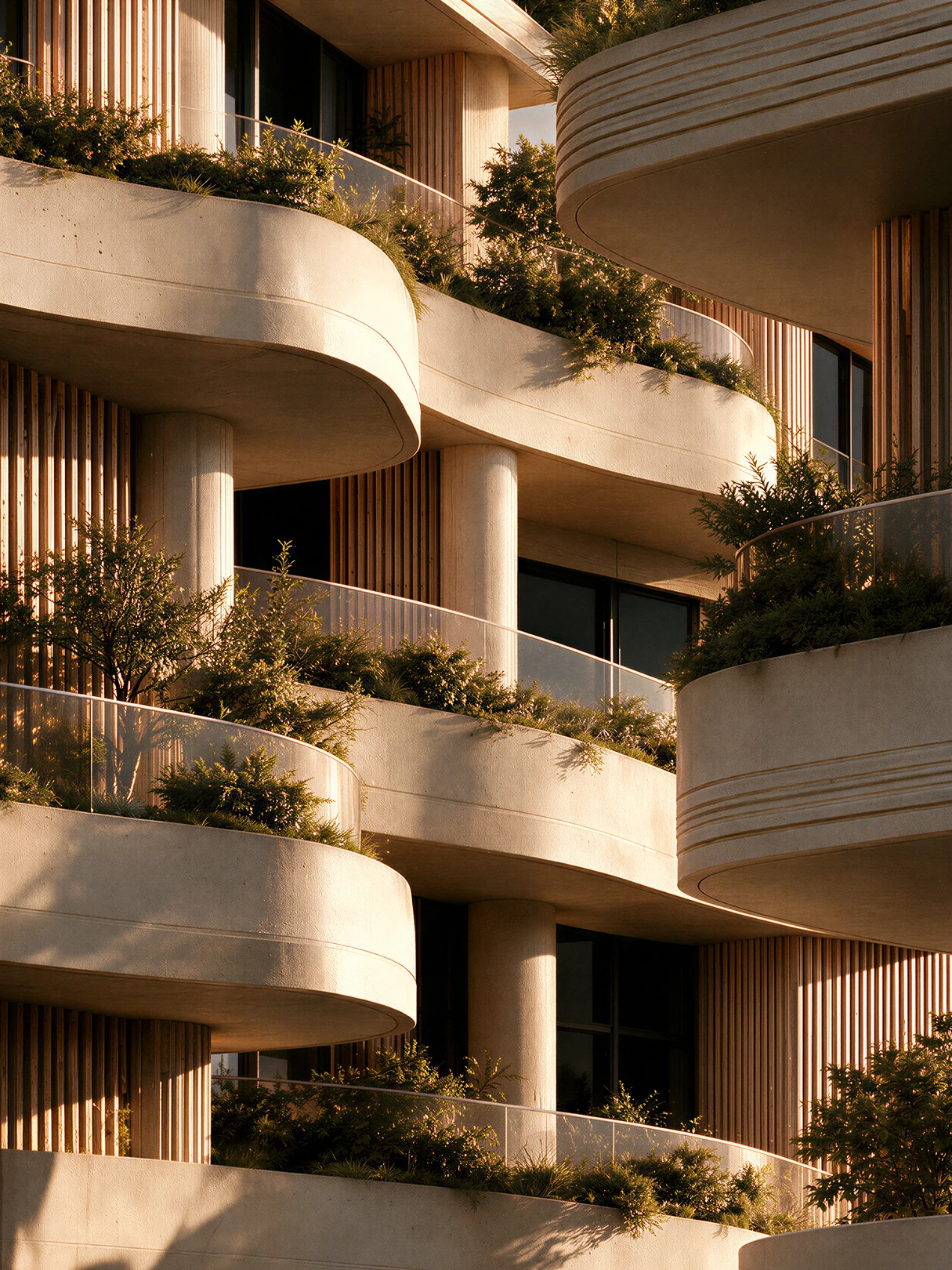
Design connects tradition with advanced technology, creating new spatial experiences. AI and smart materials respond to people's biological rhythms and emotions, while nature and technology come together as a single sensory environment. Spaces of the future are evolving so that every experience within them fosters restoration and balance.

Image of futuristic forest architecture featuring curved balconies and lush greenery
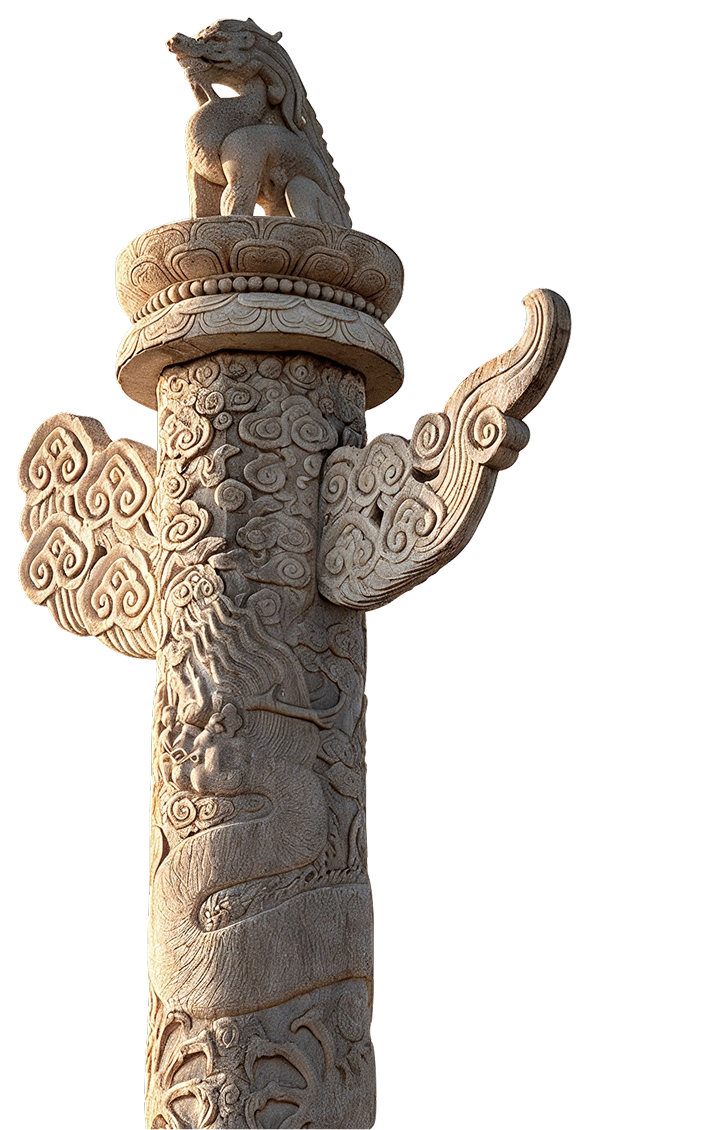
Image of a traditional Chinese totem pole carved with dragon and cloud motifs
Image of traditional Chinese red lanterns glowing warmly

A Design Perspective on Culture

Interviews with three CMF designers for Kia's China region capture their perspectives on culture and the design insights they draw from it.

A Balance of Opposing Sensibilities

What recent experience has most inspired your design work?

While researching urban life in China recently, I found an interesting shift. Younger generations pursue fast-paced, efficient city life, yet at the same time they want a quiet, restorative space of their own. I felt that this coexistence of dynamism and tranquility echoes Kia's design philosophy, OPPOSITES UNITED, and I wanted to bring a balance of the two into CMF as well.

How did you want to express this coexistence of “dynamism and tranquility” in CMF design?

Rather than simply setting different sensibilities against each other, I thought it was important to bring them into natural harmony within a single space — forward-looking technology and human warmth, dynamic energy and quiet restoration. I express these ideas through color, sustainable materials and surface finishes, refining them so that visual impression and actual user experience stay in balance.

Ma Jialu

CMF Designer / China Kia Design Team

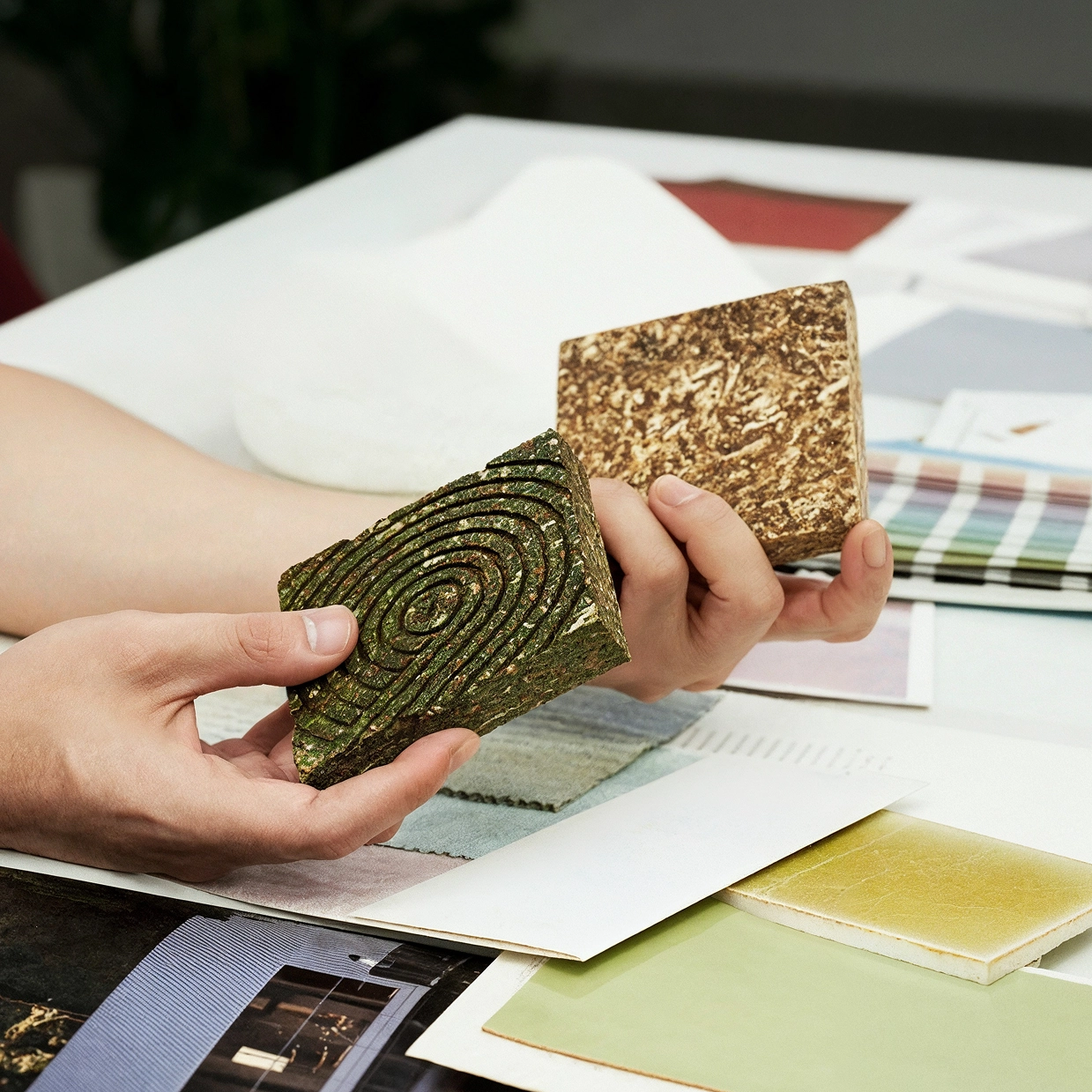
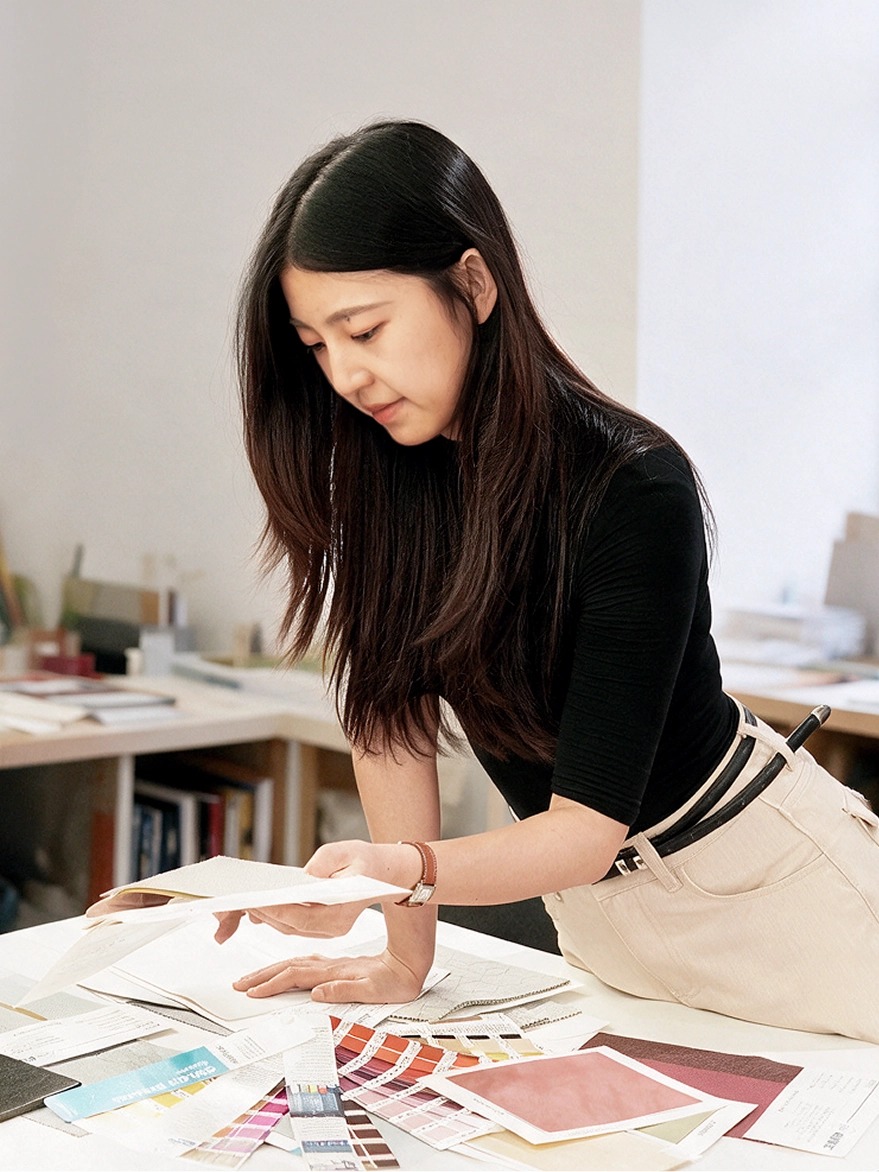
Image of Ma Jialu, CMF Designer at the Kia Design Team in China, examining color and material samples
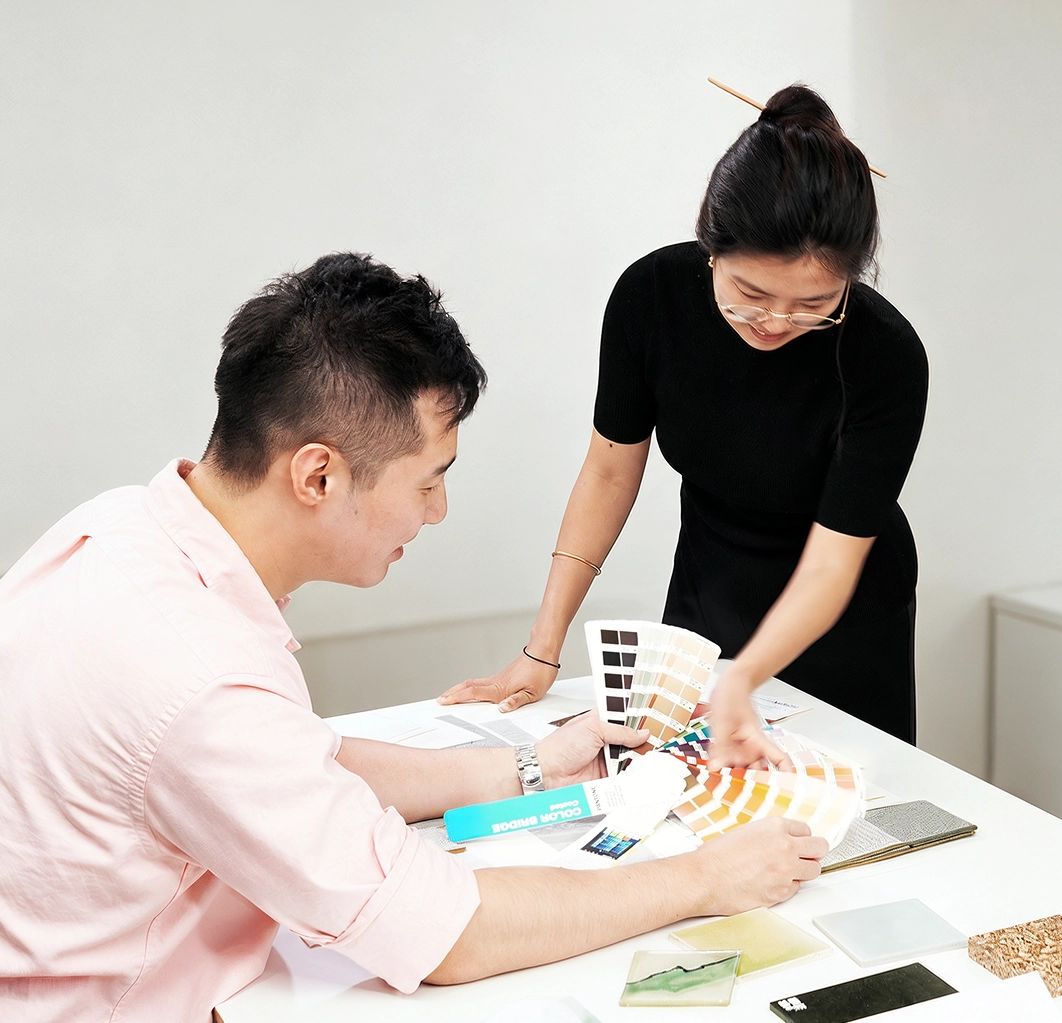
Image of the Kia China CMF team comparing various color and material samples

Design that Understands People

As a designer, how has the way you see people and the world evolved?

At first, I thought design was about having good taste. But observing users over time changed that. As I watched how people sit in a car, what they reach for first, and how they rest, I realized that understanding people matters more than finding the right answer.

What did you give the most thought to while creating this CMF story for China?

I gave a lot of thought to the things people touch every day without thinking — door handles, armrests, steering wheels, things like that. We carefully refined their texture and warmth so that they feel comfortable and natural every time people touch them. Rather than making them flashy, I wanted them to stay comfortable with use and age in a way that feels natural.

Li Jinqiu

CMF Designer / China Kia Design Team

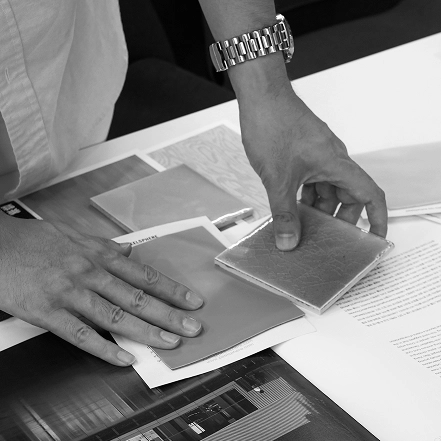
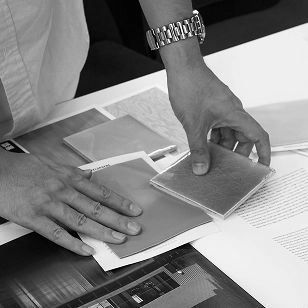
Black-and-white image of hands examining material samples on a design table
Image of the Kia China CMF team reviewing color and material samples

Materials that Convey Warmth

Among the shifts in Chinese culture and lifestyles, what did you focus on most as a designer?

Today, Chinese lifestyles are shifting away from bold, ostentatious expression toward moderation, warmth and balance. In crafts such as bamboo weaving and tie-dyeing, where the natural character of the materials comes through, people are increasingly drawn to the handcrafted character shaped by time and human touch. Seeing this change, I came to believe that CMF, too, should blend naturally into daily life rather than call attention to itself.

What kind of space would you want to create inside the vehicle to give customers in China a sense of emotional calm and restoration?

I want to create a comfortable space imbued with an Eastern sense of warmth. Soft tones, natural textures and restrained gloss create a quiet depth. I hope the car becomes more than a means of transport — a small retreat where people can spend time with family or take a moment alone to let the day's fatigue fall away.

Peng Lili

CMF Designer / China Kia Design Team

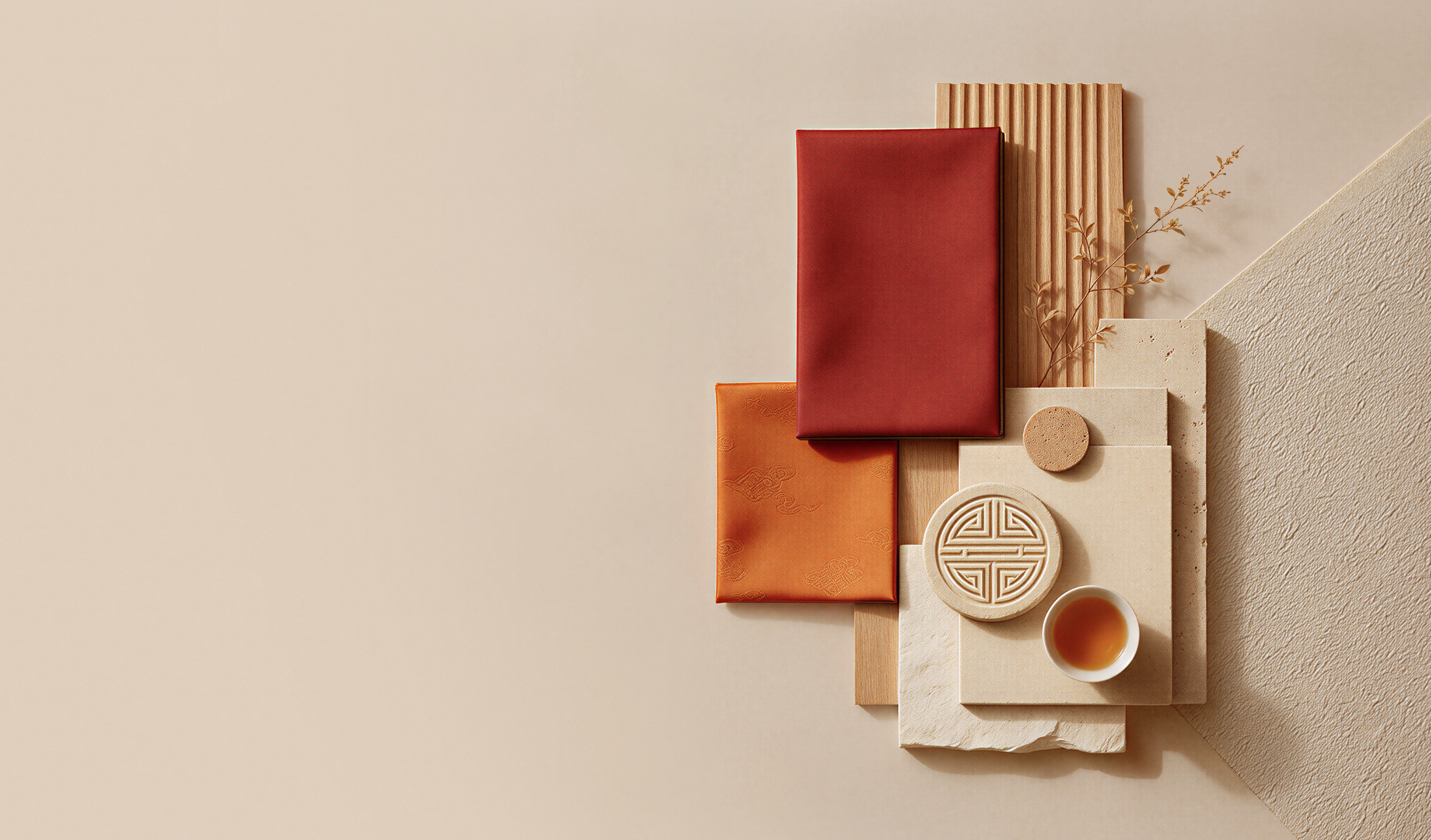
Image of a CMF design composition combining colors and materials inspired by traditional Chinese culture

Restoration in Design

The restoration found in China begins not with sweeping change, but with small choices to care for oneself. Tradition and the present, technology and sensibility connect with one another, shaping a new standard for design that understands people’s lives and emotions more deeply. Kia carries this cultural movement forward into future design made for people.

  • Ep.2 Europe

    A Sustainable Life, Together

    Coming Soon

  • Ep.2 Europe

    A Sustainable Life, Together

    Coming Soon

  • Ep.2 Europe

    A Sustainable Life, Together

    Coming Soon

On our next journey, we discover another seed of culture. Different cultural movements come together, shaping design toward a shared future.