Innovative Material Design
Creating Materials that Shape New Possibilities for the Future
Creating Materials that Shape New Possibilities for the Future
As part of its commitment to sustainable design, Kia is working towards gradually phasing out the use of natural leather in its vehicle interiors. The starting point of this transformation was the flagship electric SUV EV9, launched in 2023.
Kia aims to reduce natural leather use over the long term and expand the application of alternative materials such as bio-based PU (polyurethane), made partially from plant-based materials including corn and eucalyptus — an alternative material that offers a tactile feel similar to natural leather.






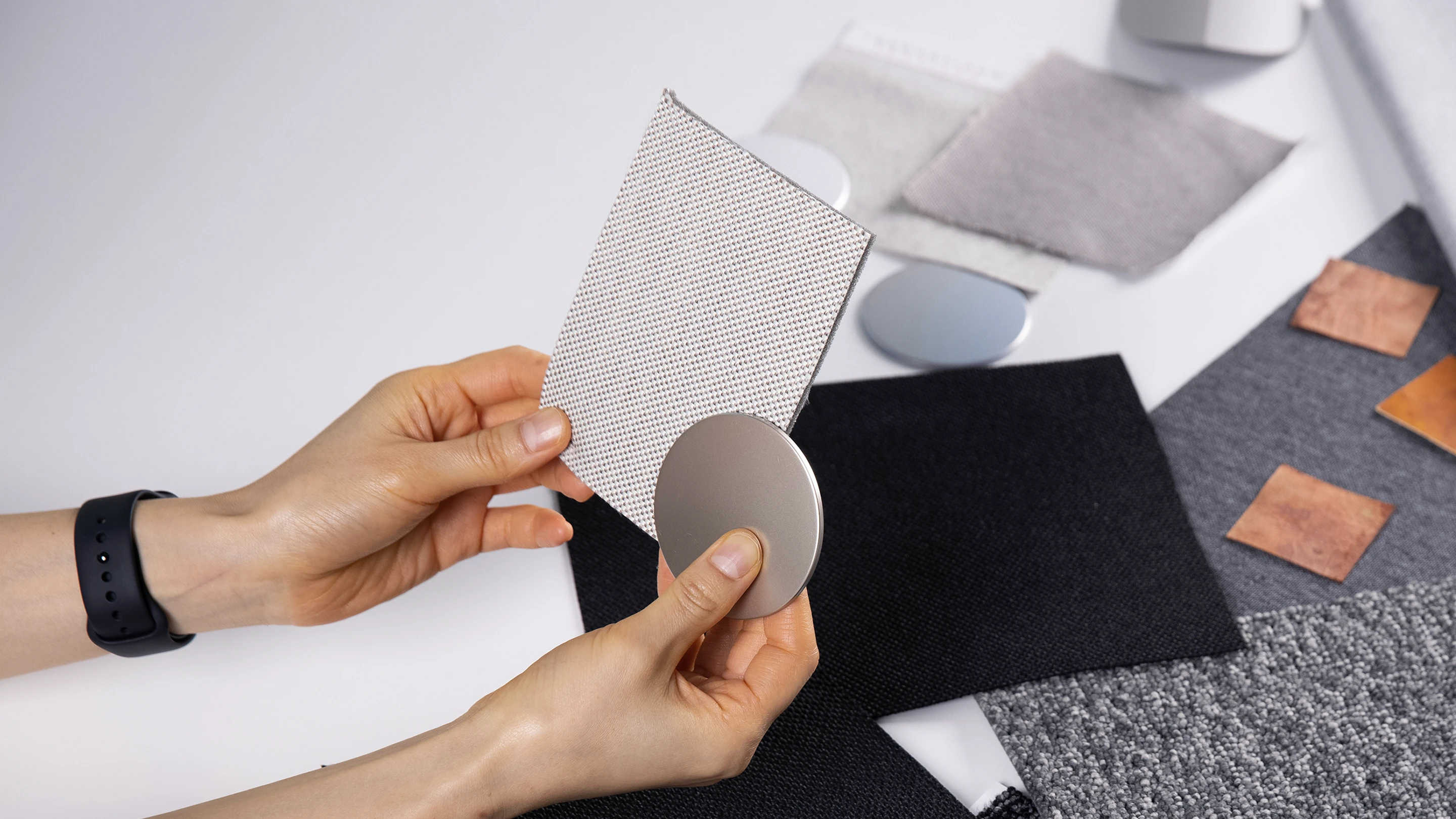
Kia is expanding the use of recycled and bio-based materials across various areas. Materials such as recycled PET, bio paint, bioplastics are being applied to certain vehicle parts, opening up new possibilities for innovative material design.
*These materials are not applied across all vehicle models and may be selectively used for specific components depending on vehicle design, technical requirements, and market characteristics.
Material: Vegetable oils, corn extract, and sugarcane
Bioplastic is a material that replaces part of conventional petroleum-based plastic resin (naphtha) with plant-based raw materials. Kia applies this material to interior parts such as the crash pad.

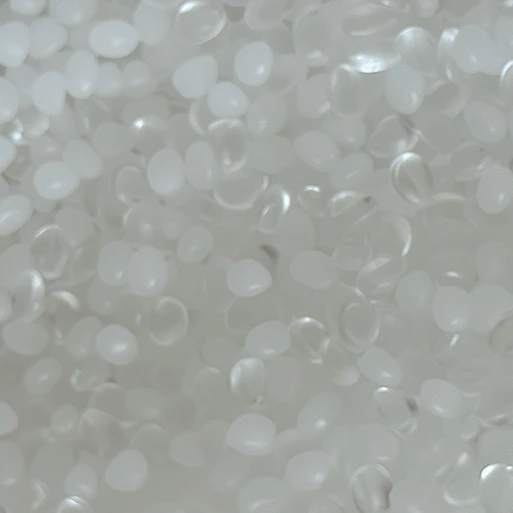
1. Bioplastic
Material: Vegetable oils, corn extract, and sugarcane
Bioplastic is a material that replaces part of conventional petroleum-based plastic resin (naphtha) with plant-based raw materials. Kia applies this material to interior parts such as the crash pad.


2. PCM Plastic
Material: Post-consumer material (PCM) plastic
PCM plastic is made by reprocessing post-consumer plastic waste. Instead of using virgin fossil fuel-based plastic, Kia uses this recycled material in the production of parts.


3. Bio PU
Material: Vegetable oil-based polyurethane
Bio PU replaces the primary petroleum-based components of polyurethane — commonly used in artificial leather and similar applications — with vegetable oil-based alternatives. Kia applies it to seats and interior trim, offering a leather-like texture.
4. Recycled PET Fabric
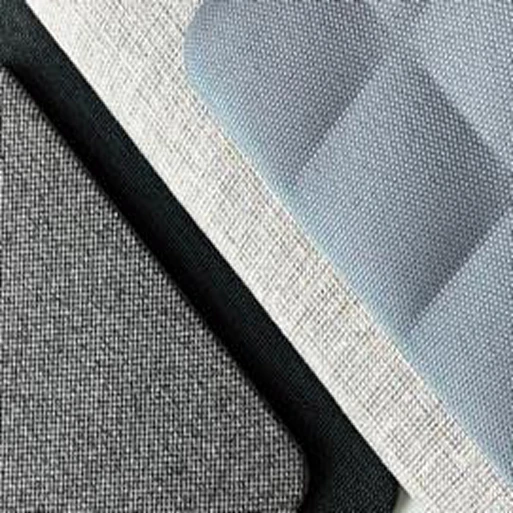
Material: Recycled PET
Recycled PET fabric is a textile material made from yarn reprocessed from recovered plastic waste. Kia applies it to seats and interior trim, replacing virgin plastic yarn while providing a comfortable feel.

5. Recycled Carpet
Material: Recycled PET, Recycled Nylon
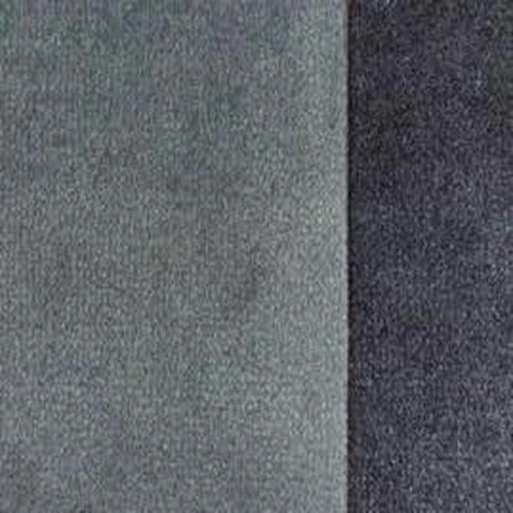
Recycled carpet is a vehicle floor carpeting material made from yarn reprocessed from recovered waste PET bottles and discarded fishing nets. It replaces the use of virgin synthetic fiber while providing excellent abrasion resistance and cabin quietness comparable to conventional materials.
6. Bio PU Form
Material: Bio polyurethane (natural oils)
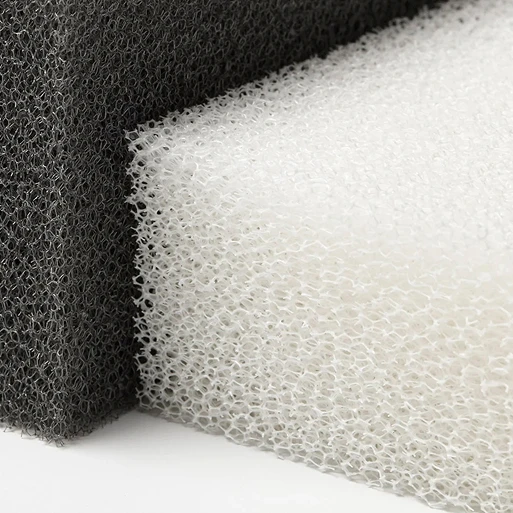
Bio PU foam is a material that replaces a portion of the raw materials in polyurethane foam with natural oil-based alternatives. It maintains a level of resilience and flexibility on par with conventional materials.


7. Bio Paint
Material: Plant-based raw materials, such as rapeseed oil
Bio paint is a coating material that replaces the petroleum-derived components (polyols) in polyurethane paint with plant-based raw materials such as rapeseed oil. It uses eco-friendly raw materials while offering a premium finish.
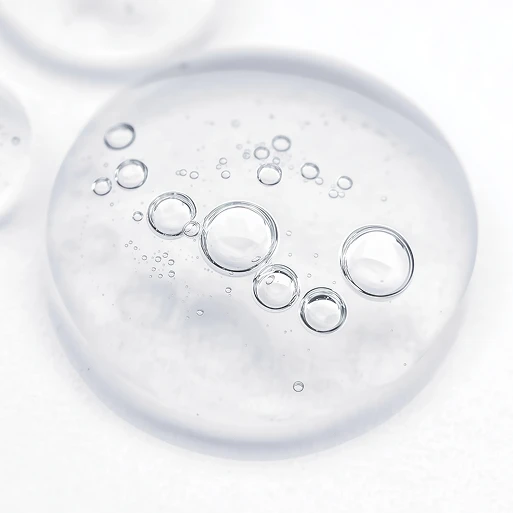
8. BTX Low Paint
Material: Reduces the use of harmful chemicals such as benzene, toluene, and xylene
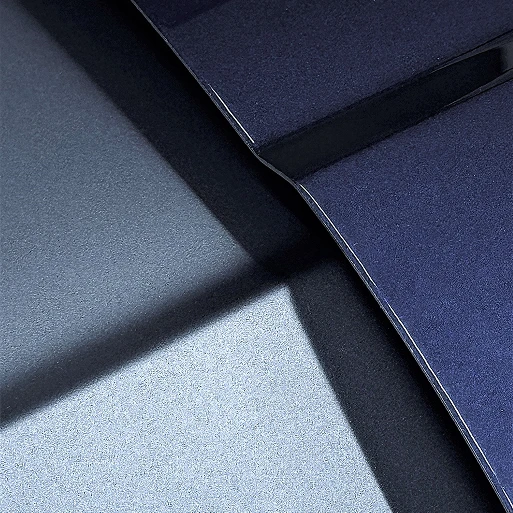
BTX low paint is a coating material that lowers the use of harmful chemicals such as benzene, toluene, and xylene (BTX). It supports the reduction of certain hazardous substances while delivering a high-quality finish.
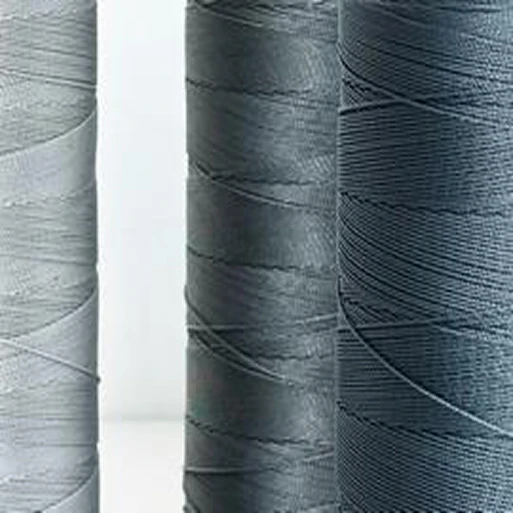
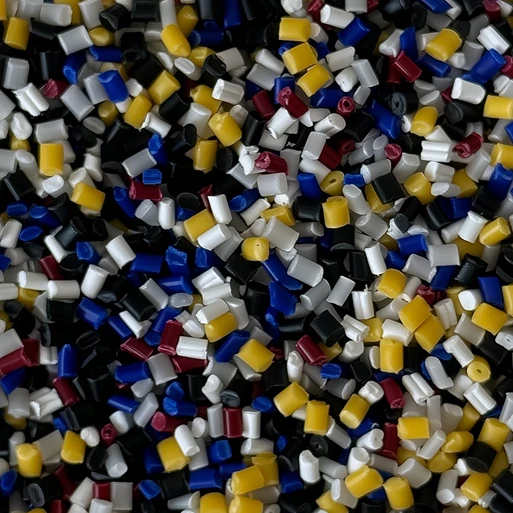
9. Recycled PET Yarns
Material: Recycled PET
Recycled PET yarn is a yarn material made by reprocessing recovered plastic waste. Kia applies it to stitching for interior trim such as seats, replacing the use of virgin plastic yarn.
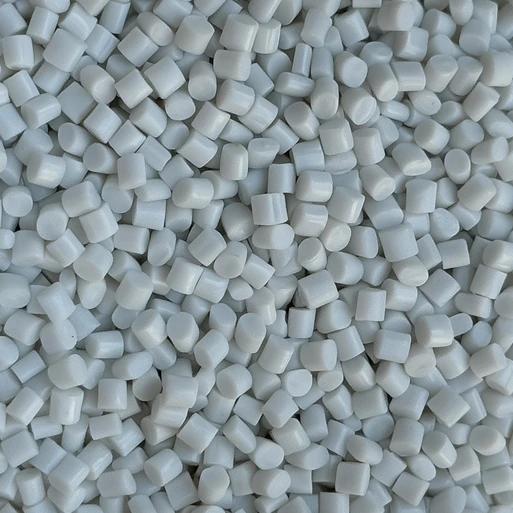
10. Recycled PET Felt
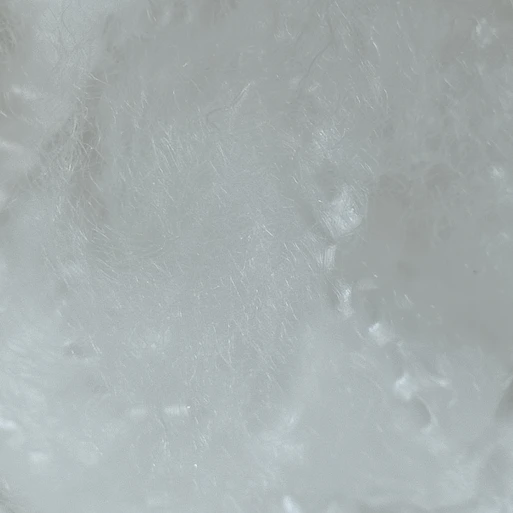
Material: Recycled PET
Recycled PET felt is a felt material made by processing recycled PET. Kia applies it to parts such as the luggage board, replacing the use of new synthetic fibers while contributing to sound absorption within the vehicle comparable to conventional materials and a more comfortable driving environment.
1. Bioplastic
Material: Vegetable oils, corn extract, and sugarcane
Bioplastic is a material that replaces part of conventional petroleum-based plastic resin (naphtha) with plant-based raw materials. Kia applies this material to interior parts such as the crash pad.
2. PCM Plastic
Material: Post-consumer material (PCM) plastic
PCM plastic is made by reprocessing post-consumer plastic waste. Instead of using virgin fossil fuel-based plastic, Kia uses this recycled material in the production of parts.
3. Bio PU
Material: Vegetable oil-based polyurethane
Bio PU replaces the primary petroleum-based components of polyurethane — commonly used in artificial leather and similar applications — with vegetable oil-based alternatives. Kia applies it to seats and interior trim, offering a leather-like texture.
4. Recycled PET Fabric
Material: Recycled PET
Recycled PET fabric is a textile material made from yarn reprocessed from recovered plastic waste. Kia applies it to seats and interior trim, replacing virgin plastic yarn while providing a comfortable feel.
5. Recycled Carpet
Material: Recycled PET, Recycled Nylon
Recycled carpet is a vehicle floor carpeting material made from yarn reprocessed from recovered waste PET bottles and discarded fishing nets. It replaces the use of virgin synthetic fiber while providing excellent abrasion resistance and cabin quietness comparable to conventional materials.
6. Bio PU Form
Material: Bio polyurethane (natural oils)
Bio PU foam is a material that replaces a portion of the raw materials in polyurethane foam with natural oil-based alternatives. It maintains a level of resilience and flexibility on par with conventional materials.
7. Bio Paint
Material: Plant-based raw materials, such as rapeseed oil
Bio paint is a coating material that replaces the petroleum-derived components (polyols) in polyurethane paint with plant-based raw materials such as rapeseed oil. It uses eco-friendly raw materials while offering a premium finish.
8. BTX Low Paint
Material: Reduces the use of harmful chemicals such as benzene, toluene, and xylene
BTX low paint is a coating material that lowers the use of harmful chemicals such as benzene, toluene, and xylene (BTX). It supports the reduction of certain hazardous substances while delivering a high-quality finish.
9. Recycled PET Yarns
Material: Recycled PET
Recycled PET yarn is a yarn material made by reprocessing recovered plastic waste. Kia applies it to stitching for interior trim such as seats, replacing the use of virgin plastic yarn.
10. Recycled PET Felt
Material: Recycled PET
Recycled PET felt is a felt material made by processing recycled PET. Kia applies it to parts such as the luggage board, replacing the use of new synthetic fibers while contributing to sound absorption within the vehicle comparable to conventional materials and a more comfortable driving environment.
1. Bioplastic
Material: Vegetable oils, corn extract, and sugarcane
Bioplastic is a material that replaces part of conventional petroleum-based plastic resin (naphtha) with plant-based raw materials. Kia applies this material to interior parts such as the crash pad.
2. PCM Plastic
Material: Post-consumer material (PCM) plastic
PCM plastic is made by reprocessing post-consumer plastic waste. Instead of using virgin fossil fuel-based plastic, Kia uses this recycled material in the production of parts.
3. Bio PU
Material: Vegetable oil-based polyurethane
Bio PU replaces the primary petroleum-based components of polyurethane — commonly used in artificial leather and similar applications — with vegetable oil-based alternatives. Kia applies it to seats and interior trim, offering a leather-like texture.
4. Recycled PET Fabric
Material: Recycled PET
Recycled PET fabric is a textile material made from yarn reprocessed from recovered plastic waste. Kia applies it to seats and interior trim, replacing virgin plastic yarn while providing a comfortable feel.
5. Recycled Carpet
Material: Recycled PET, Recycled Nylon
Recycled carpet is a vehicle floor carpeting material made from yarn reprocessed from recovered waste PET bottles and discarded fishing nets. It replaces the use of virgin synthetic fiber while providing excellent abrasion resistance and cabin quietness comparable to conventional materials.
6. Bio PU Form
Material: Bio polyurethane (natural oils)
Bio PU foam is a material that replaces a portion of the raw materials in polyurethane foam with natural oil-based alternatives. It maintains a level of resilience and flexibility on par with conventional materials.
7. Bio Paint
Material: Plant-based raw materials, such as rapeseed oil
Bio paint is a coating material that replaces the petroleum-derived components (polyols) in polyurethane paint with plant-based raw materials such as rapeseed oil. It uses eco-friendly raw materials while offering a premium finish.
8. BTX Low Paint
Material: Reduces the use of harmful chemicals such as benzene, toluene, and xylene
BTX low paint is a coating material that lowers the use of harmful chemicals such as benzene, toluene, and xylene (BTX). It supports the reduction of certain hazardous substances while delivering a high-quality finish.
9. Recycled PET Yarns
Material: Recycled PET
Recycled PET yarn is a yarn material made by reprocessing recovered plastic waste. Kia applies it to stitching for interior trim such as seats, replacing the use of virgin plastic yarn.
10. Recycled PET Felt
Material: Recycled PET
Recycled PET felt is a felt material made by processing recycled PET. Kia applies it to parts such as the luggage board, replacing the use of new synthetic fibers while contributing to sound absorption within the vehicle comparable to conventional materials and a more comfortable driving environment.
1. Bioplastic
Material: Vegetable oils, corn extract, and sugarcane
Bioplastic is a material that replaces part of conventional petroleum-based plastic resin (naphtha) with plant-based raw materials. Kia applies this material to interior parts such as the crash pad.
2. PCM Plastic
Material: Post-consumer material (PCM) plastic
PCM plastic is made by reprocessing post-consumer plastic waste. Instead of using virgin fossil fuel-based plastic, Kia uses this recycled material in the production of parts.
3. Bio PU
Material: Vegetable oil-based polyurethane
Bio PU replaces the primary petroleum-based components of polyurethane — commonly used in artificial leather and similar applications — with vegetable oil-based alternatives. Kia applies it to seats and interior trim, offering a leather-like texture.
4. Recycled PET Fabric
Material: Recycled PET
Recycled PET fabric is a textile material made from yarn reprocessed from recovered plastic waste. Kia applies it to seats and interior trim, replacing virgin plastic yarn while providing a comfortable feel.
5. Recycled Carpet
Material: Recycled PET, Recycled Nylon
Recycled carpet is a vehicle floor carpeting material made from yarn reprocessed from recovered waste PET bottles and discarded fishing nets. It replaces the use of virgin synthetic fiber while providing excellent abrasion resistance and cabin quietness comparable to conventional materials.
6. Bio PU Form
Material: Bio polyurethane (natural oils)
Bio PU foam is a material that replaces a portion of the raw materials in polyurethane foam with natural oil-based alternatives. It maintains a level of resilience and flexibility on par with conventional materials.
7. Bio Paint
Material: Plant-based raw materials, such as rapeseed oil
Bio paint is a coating material that replaces the petroleum-derived components (polyols) in polyurethane paint with plant-based raw materials such as rapeseed oil. It uses eco-friendly raw materials while offering a premium finish.
8. BTX Low Paint
Material: Reduces the use of harmful chemicals such as benzene, toluene, and xylene
BTX low paint is a coating material that lowers the use of harmful chemicals such as benzene, toluene, and xylene (BTX). It supports the reduction of certain hazardous substances while delivering a high-quality finish.
9. Recycled PET Yarns
Material: Recycled PET
Recycled PET yarn is a yarn material made by reprocessing recovered plastic waste. Kia applies it to stitching for interior trim such as seats, replacing the use of virgin plastic yarn.
10. Recycled PET Felt
Material: Recycled PET
Recycled PET felt is a felt material made by processing recycled PET. Kia applies it to parts such as the luggage board, replacing the use of new synthetic fibers while contributing to sound absorption within the vehicle comparable to conventional materials and a more comfortable driving environment.
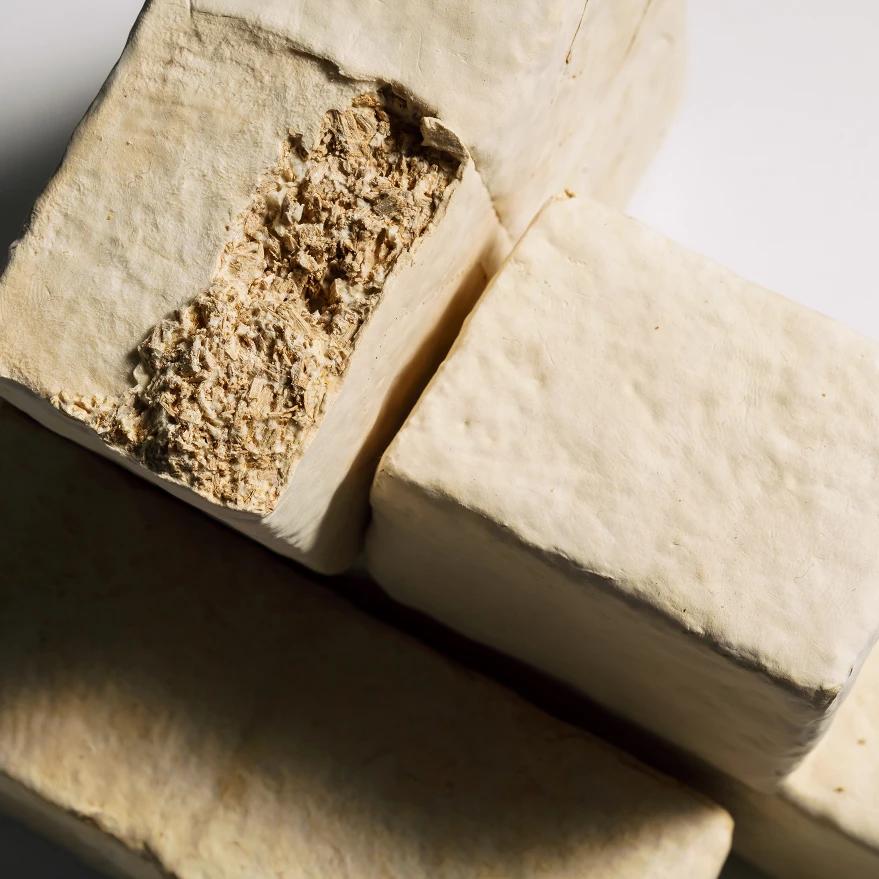
Biofabrication is a field of technology that creates new materials from biological sources. Kia is advancing its development of biomaterials through pioneering research. One prominent future-oriented project is the development of a leather alternative using mushroom mycelium, which is underway in collaboration with excellent partners. Kia believes that technology should serve as a medium that connects us more deeply with nature.

Kia’s journey toward a sustainable
future begins with the responsible
use of resources and meaningful
change for future generations.
Grounded in a design philosophy
that pursues balance and harmony,
Kia continues its movement toward
the future
by putting resource-
efficient and future-focused
material strategies into practice.