window
width : -1

clientWidth : -1
height : -1
heightVH : -1
content
left : -1
width : -1
padding : -1

card
width : -1
left: -1
column
left : -1
width : -1
gap : -1
window
width : -1

clientWidth : -1
height : -1
heightVH : -1
content
left : -1
width : -1
padding : -1

card
width : -1
left: -1
column
left : -1
width : -1
gap : -1

Shaping the EV

A Legacy of Pioneering and Technology, EVs Ready for Today
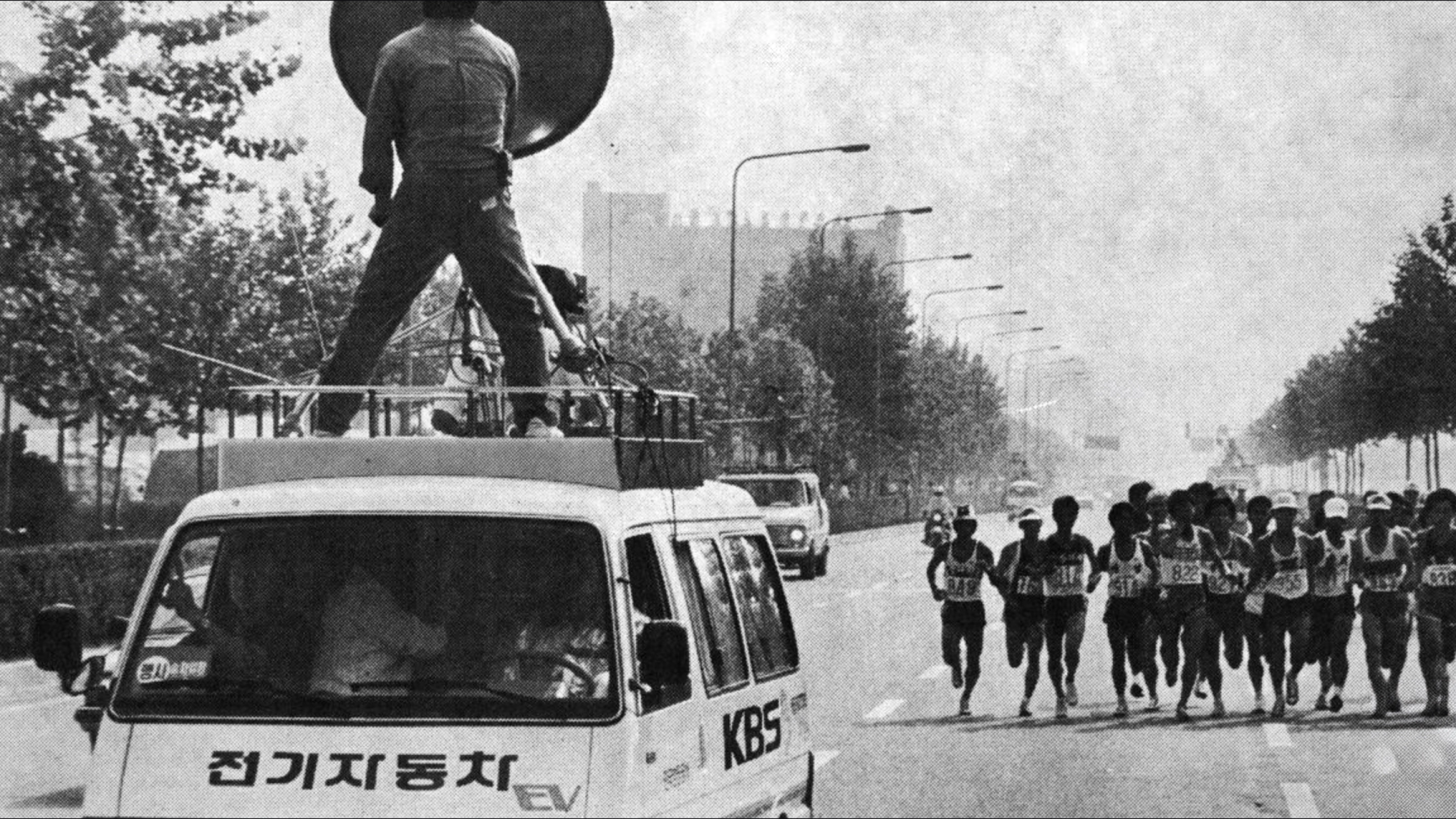
In 1986, Kia’s first electric vehicle
took to the road.

  • Kia’s diverse EV lineup was not built overnight.
  • Since its first electric vehicle in 1986, Kia has advanced its technology
  • and expanded the role of EVs on real roads and the world stage.
  • This progression — from a marathon broadcast vehicle to passenger EVs,
  • and from production models to global EVs — laid the foundation for today’s lineup.
  • Explore Kia’s EV journey from its beginnings to today.
  • Kia’s diverse EV lineup was not built
  • overnight. Since its first electric
  • vehicle in 1986, Kia has advanced its
  • technology and expanded the role of EVs
  • on real roads and the world stage.
  • This progression — from a marathon
  • broadcast vehicle to passenger EVs,
  • and from production models to global
  • EVs — laid the foundation for today’s
  • lineup. Explore Kia’s EV journey from
  • its beginnings to today.
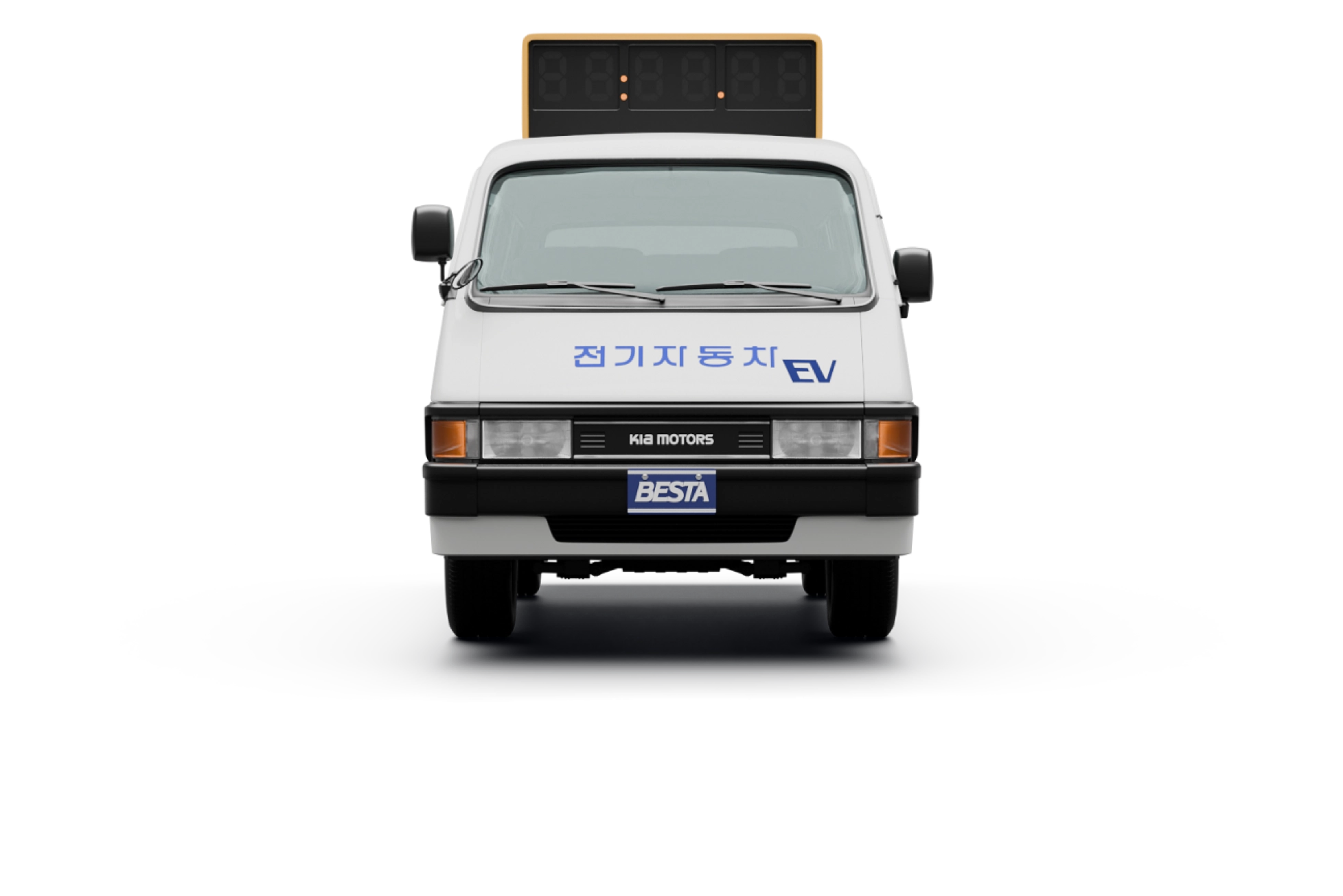
Kia Besta EV used as a marathon broadcast vehicle

The Besta EV proved the potential of electric vehicles through real-world driving.

Besta EV

Front view of the Kia Besta EV

Kia’s First EV on the World Stage

The Besta EV was not built for mass production. Based on the Besta van, it was a special-purpose electric vehicle designed to follow marathon runners up close for broadcast coverage without producing exhaust fumes.

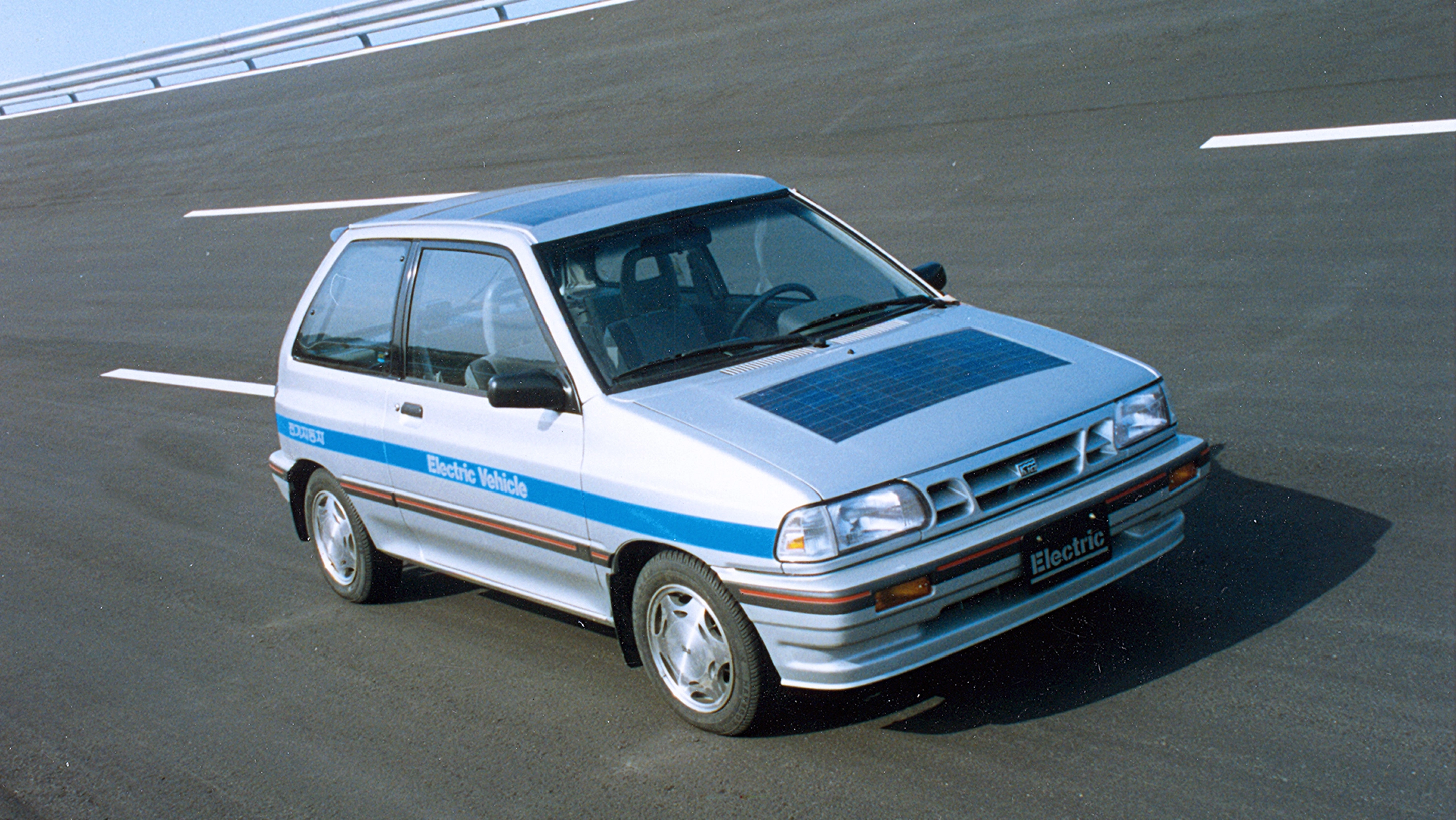
Seven years later, Kia took on a new challenge: developing an electric passenger car.

Front three-quarter view of the Kia Pride EV

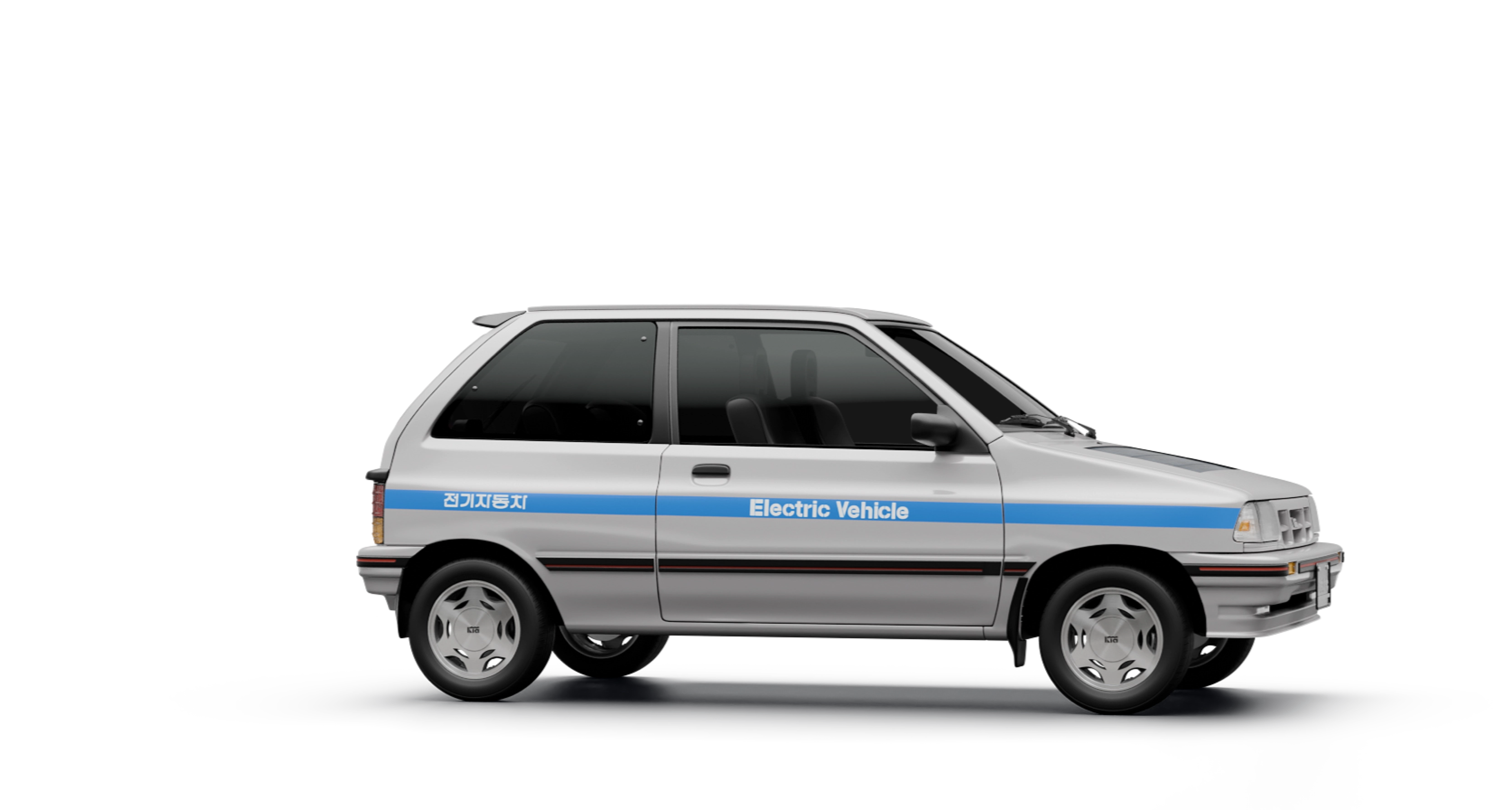
The Pride EV extended the reach of electric vehicles to passenger cars.

Pride EV

Side view of Kia Pride EV vehicle

Opening the Door to Electric Passenger Cars

The Pride, whose name means self-respect and pride, was Kia’s signature passenger car. Once promoted as “the car that runs on just a whiff of fuel,” the fuel-efficient Pride became an EV, broadening Kia’s electric vehicle efforts to include passenger cars.
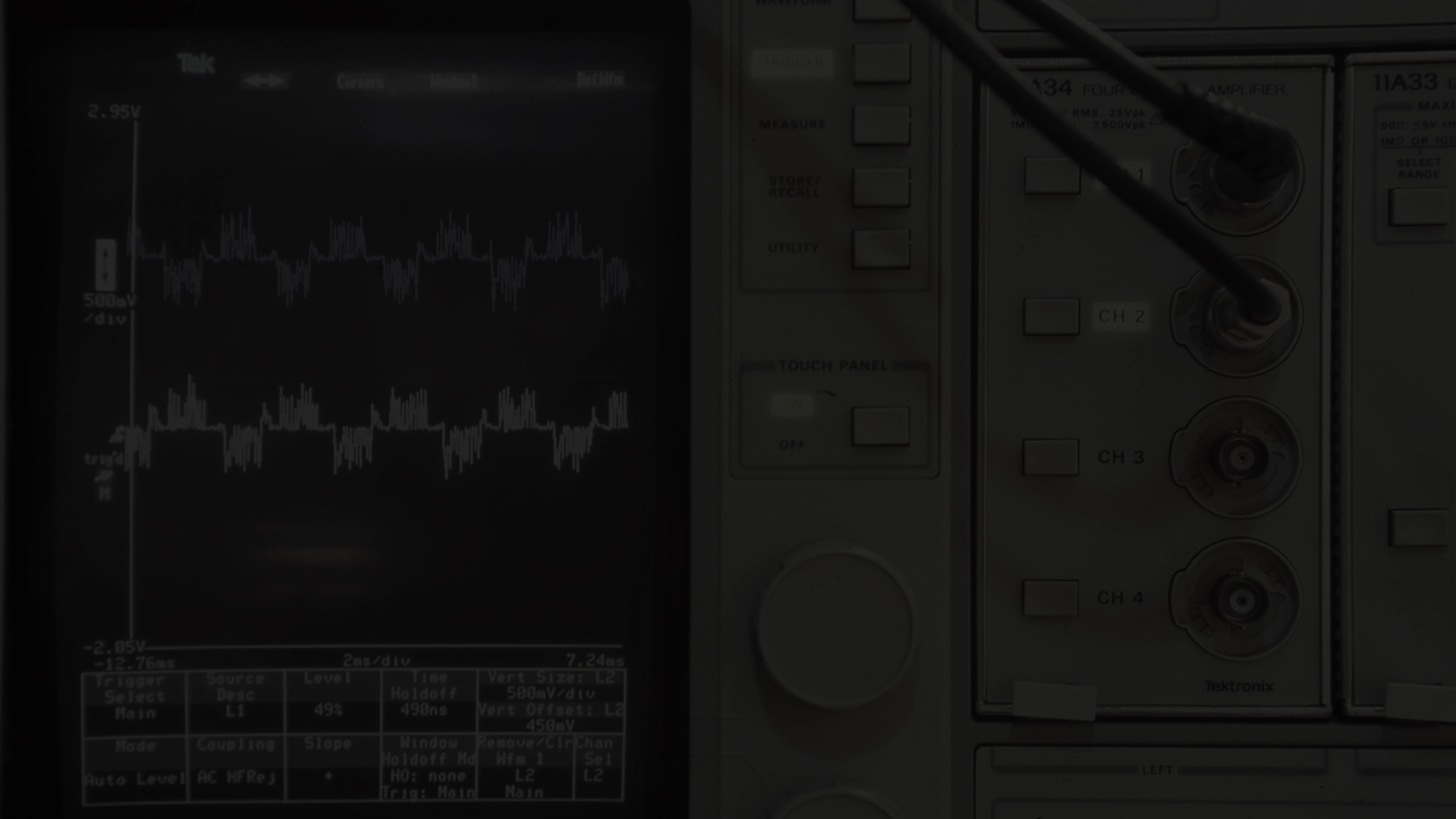
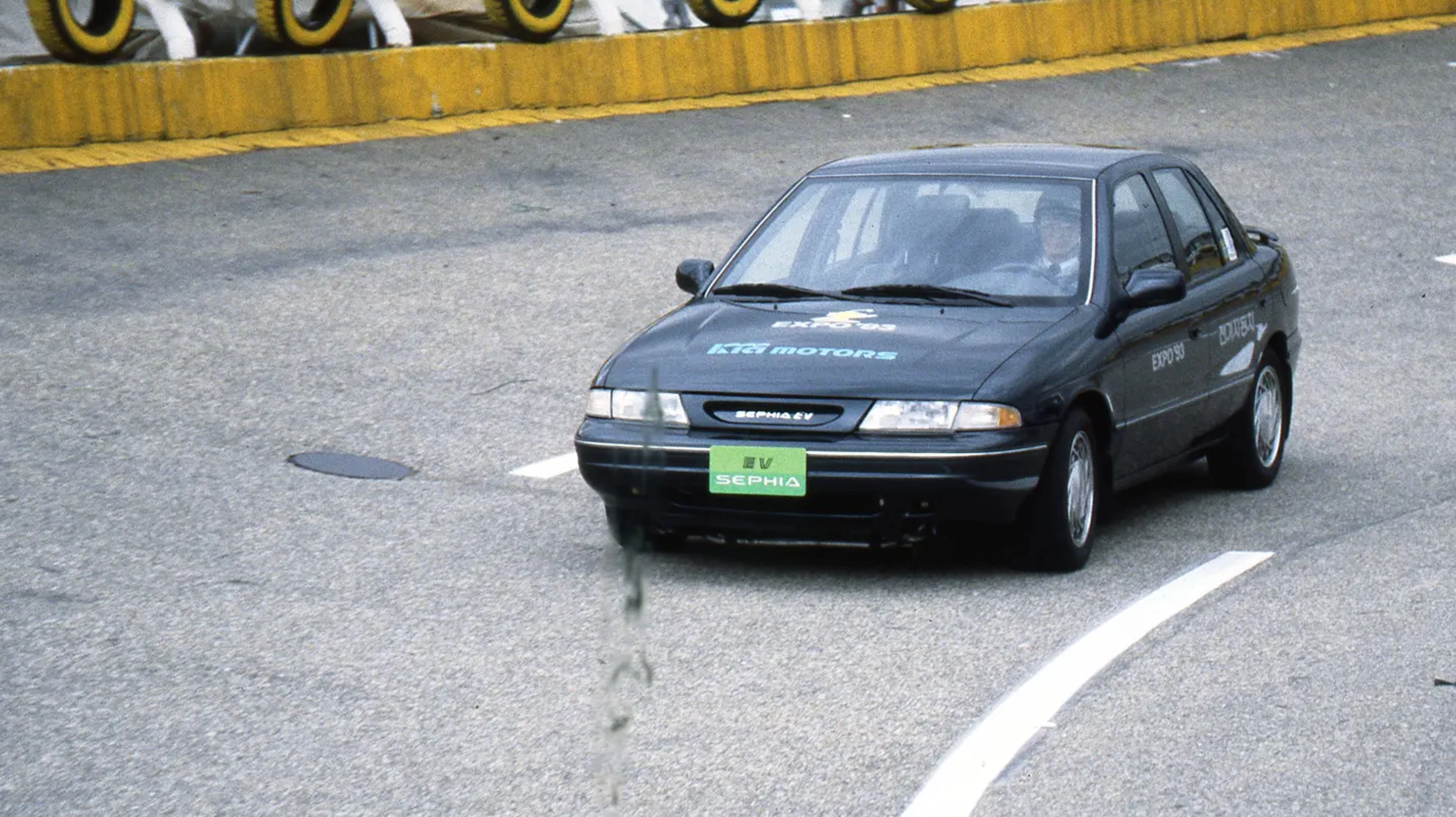
Now it was time to deliver higher performance with homegrown technology.

Front three-quarter view of the Kia Sephia EV driving

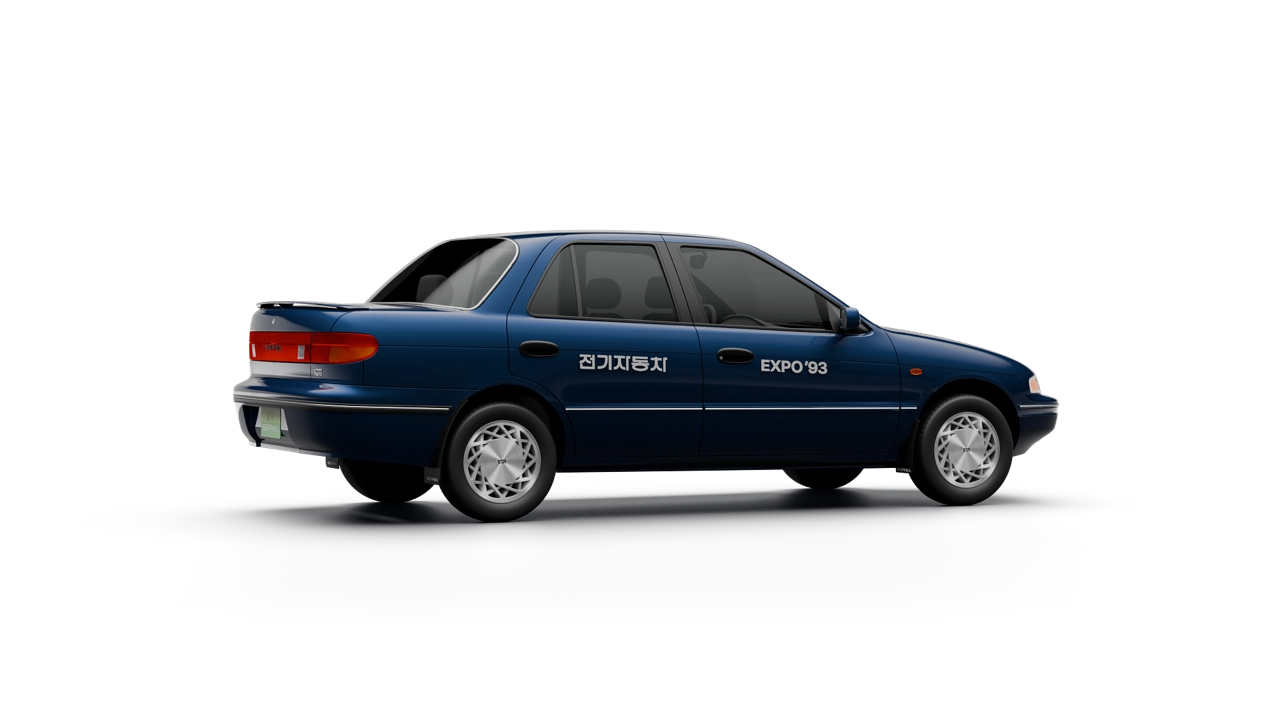
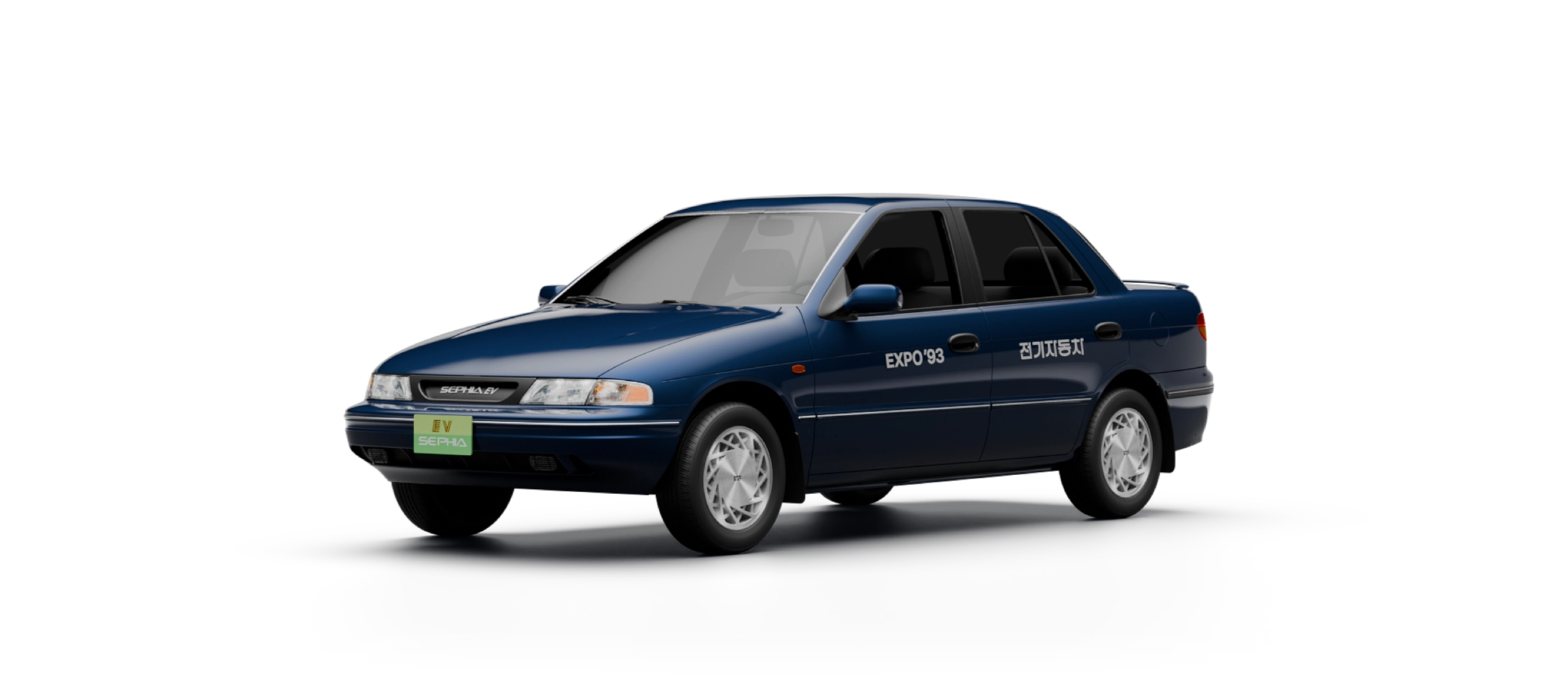
With the Sephia EV, Kia took electric vehicle performance a step further using domestic technology.

Sephia EV

Side view of the Kia Sephia EV
Front three-quarter view of the Kia Sephia EV

Raising EV Performance with Domestic Technology

The Sephia EV was built around higher performance and the domestic development of core components. Kia engineered key components in-house without sacrificing interior quality or passenger space, making it a more well-rounded passenger car.
Eighteen years later, Kia was ready to bring its technology to the production line and onto the road.

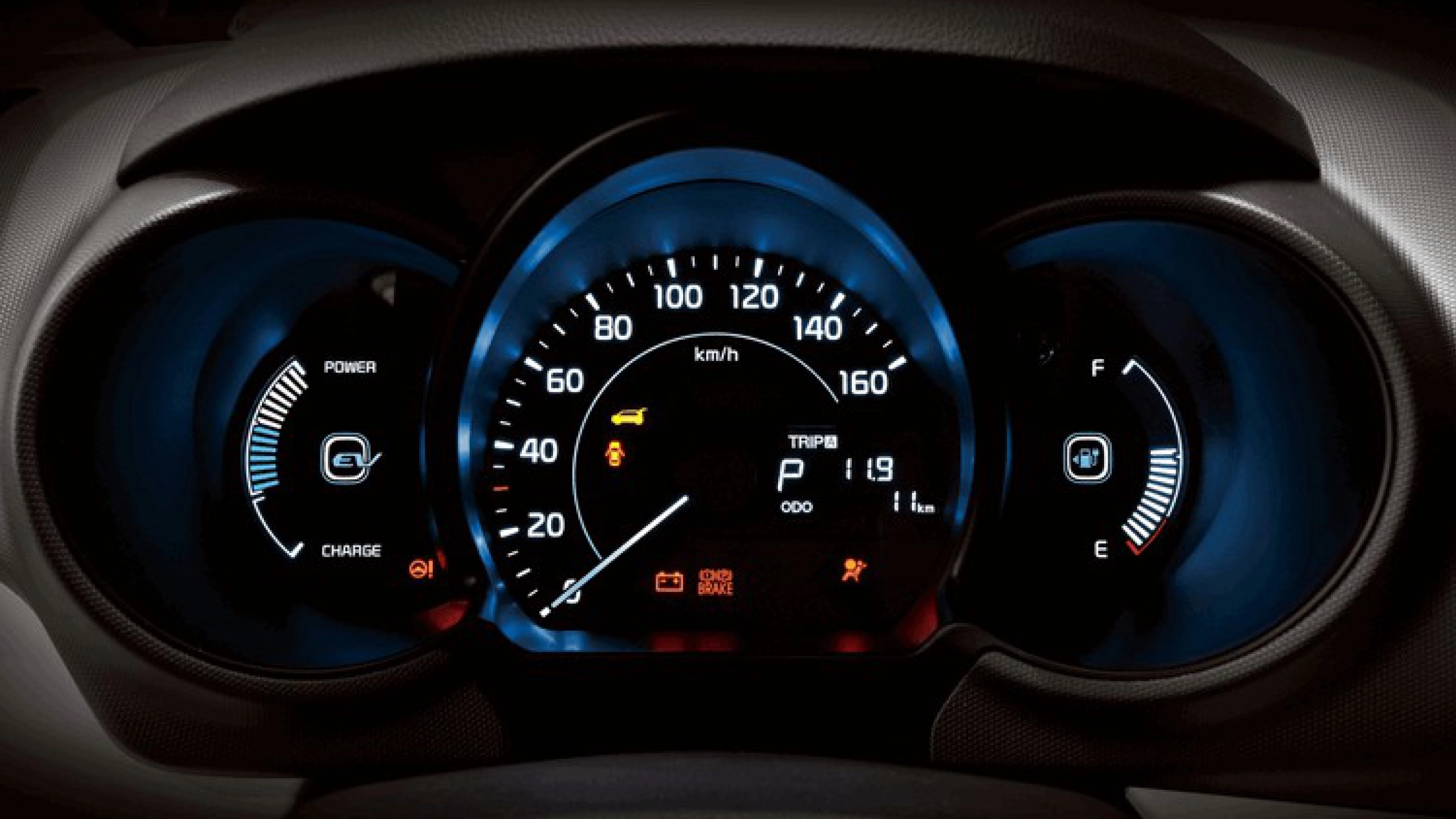
Close-up image of Kia Ray EV instrument cluster

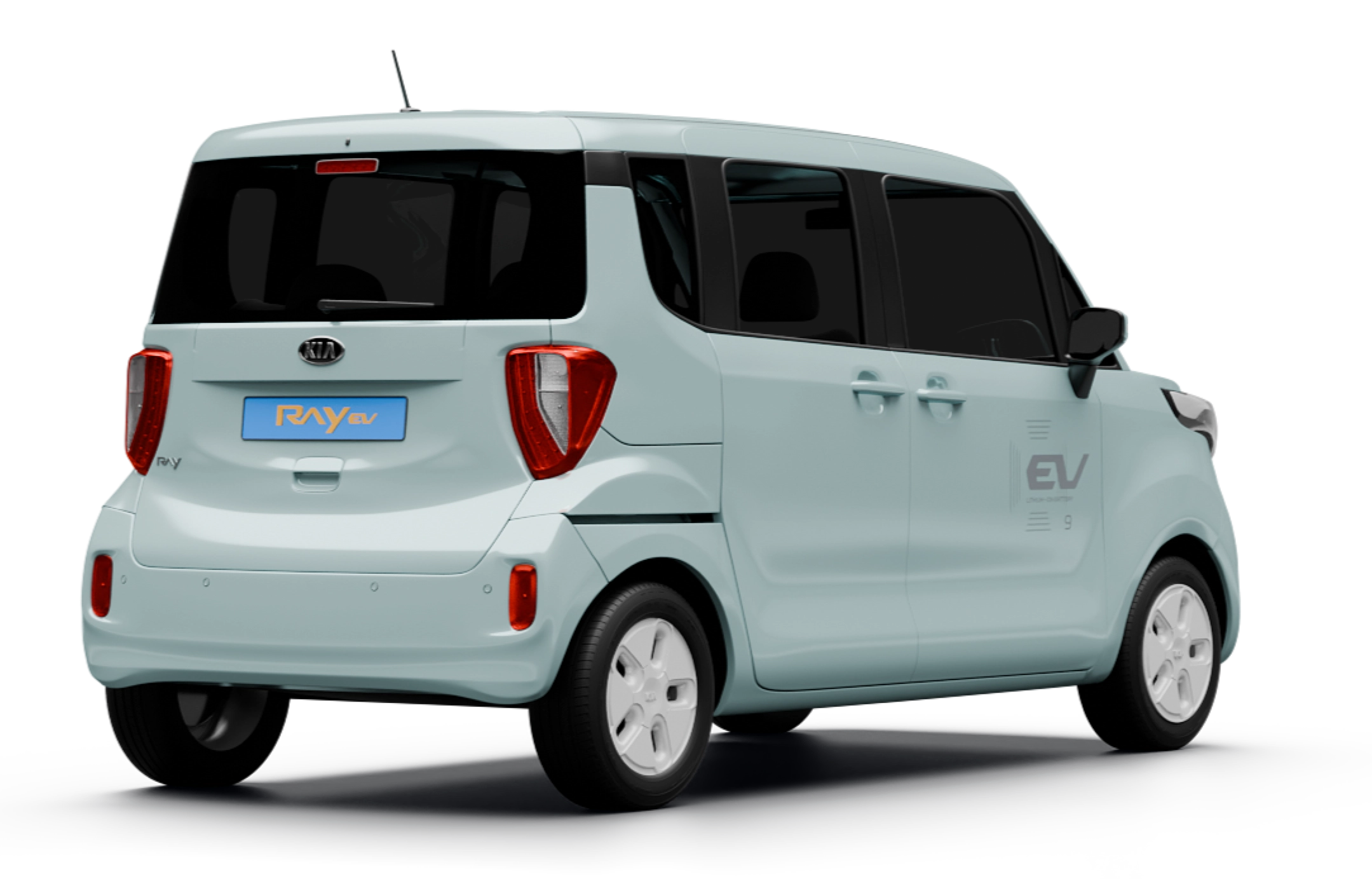
The Ray EV led Kia’s electric vehicles into full-scale mass production.

Ray EV

Rear three-quarter view of the Kia Ray EV

Korea’s First Mass-Produced Electric Vehicle

Korea’s first mass-produced compact EV, the Ray EV moved beyond research and demonstration into production and on-road use. Supplied mainly to public institutions, it helped Kia gain EV mass-production experience.
Next, Kia took the experience gained on Korean roads to the world.

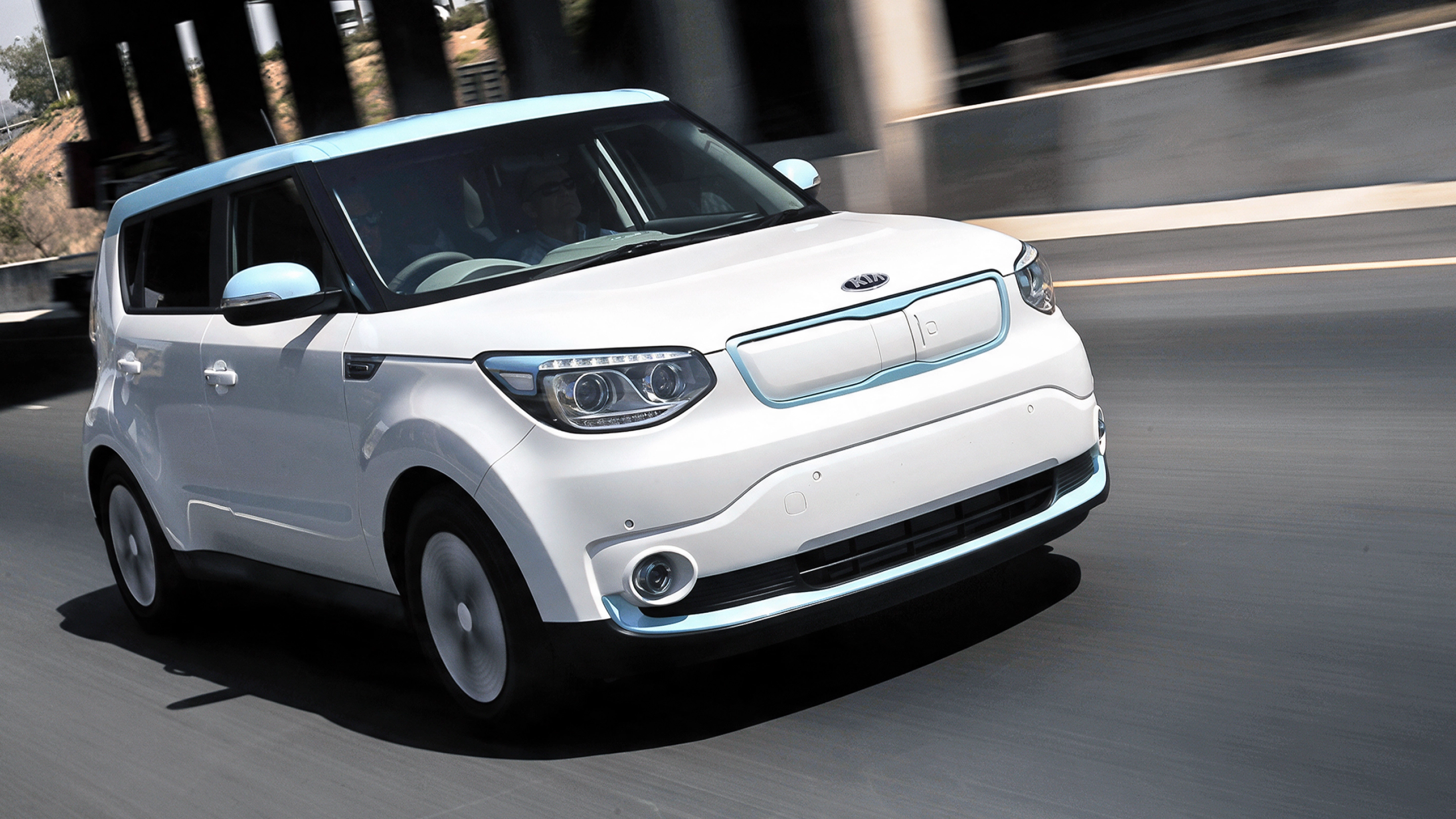
Front three-quarter view of white Kia Soul EV driving on road

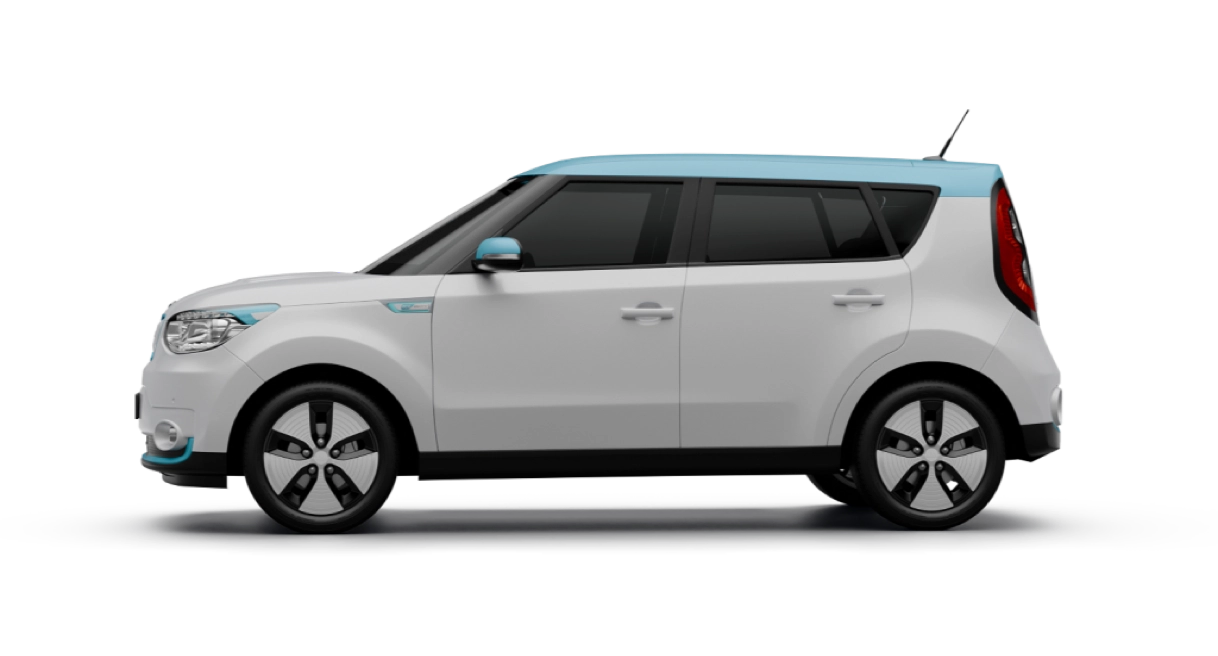
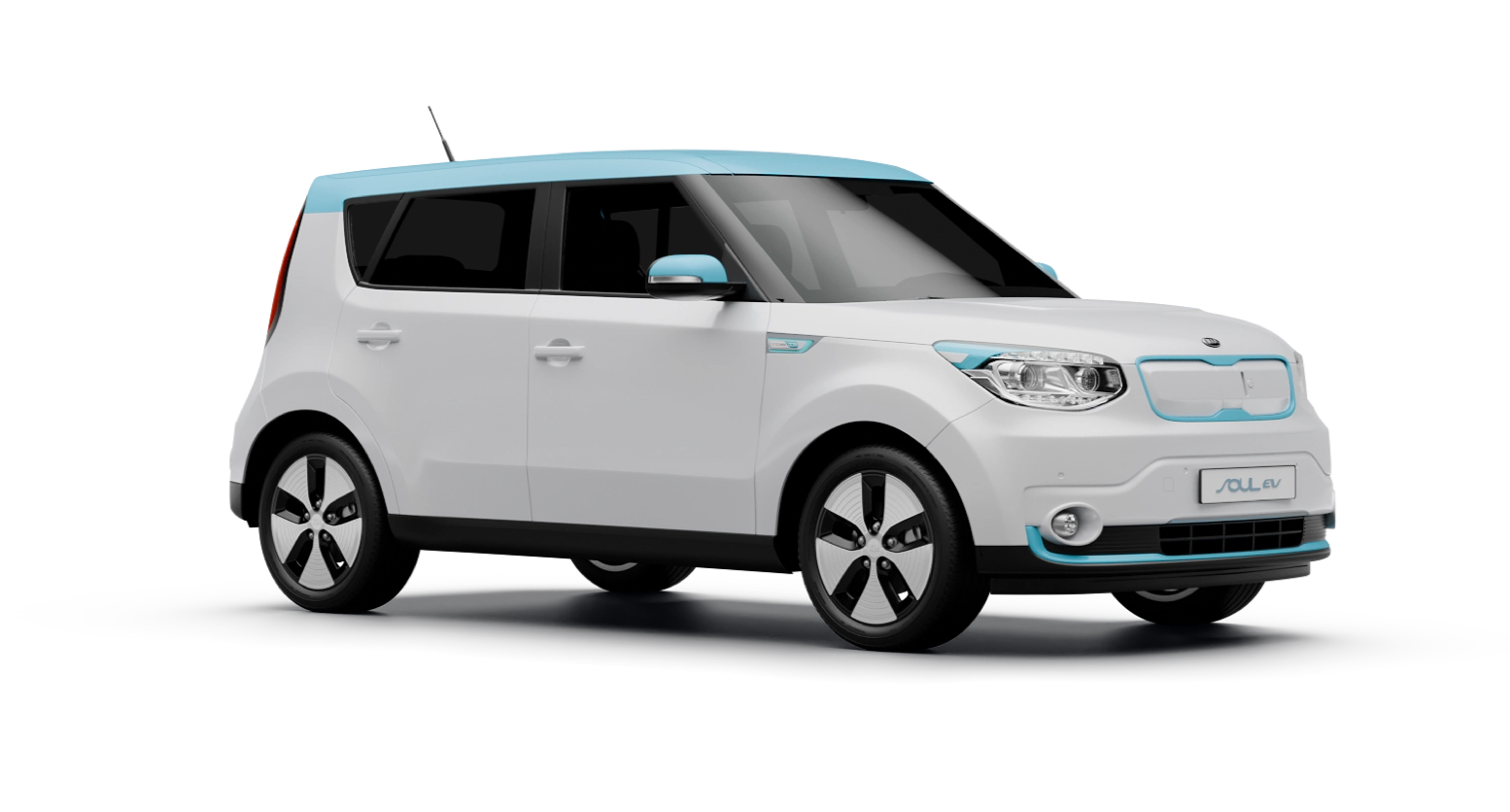
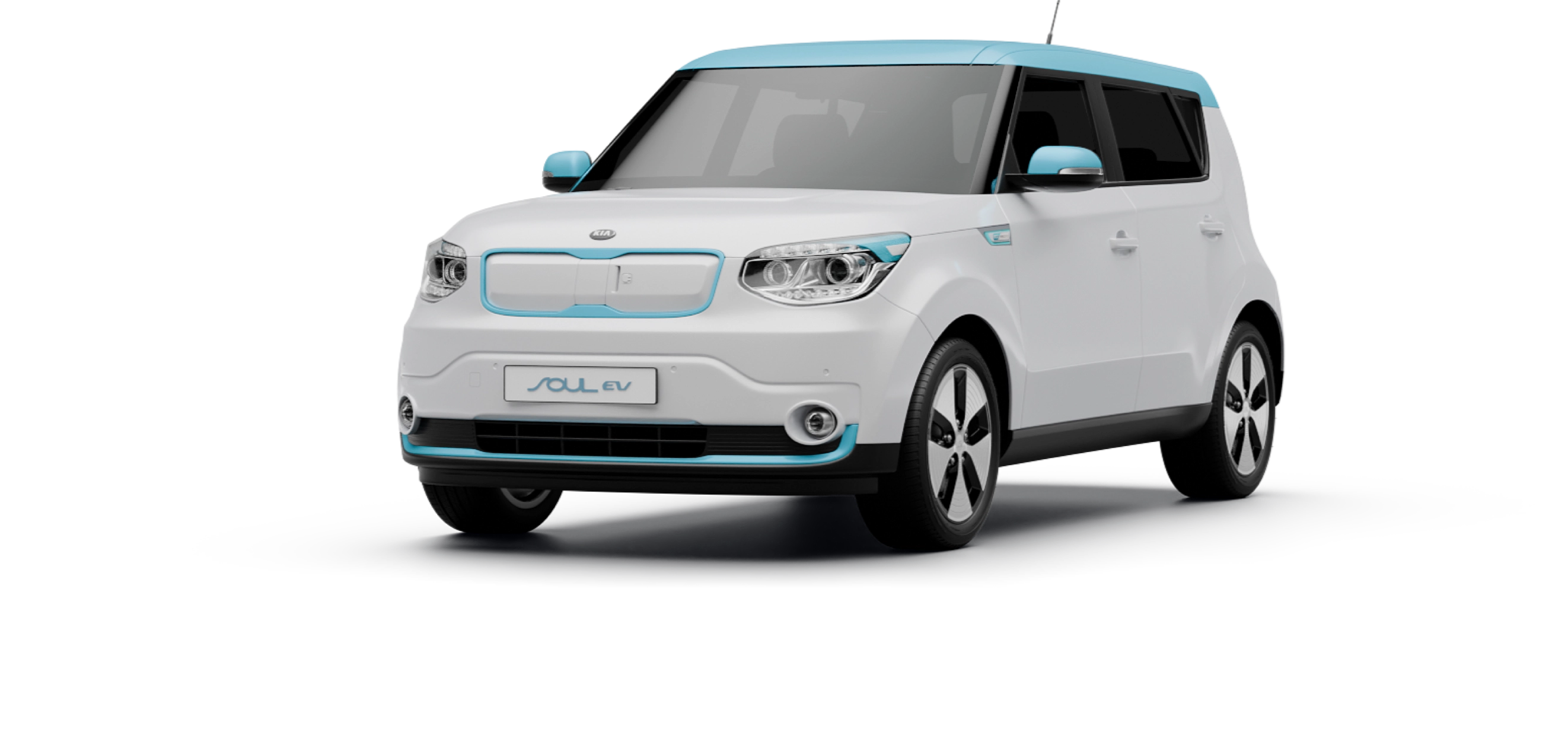
The Soul EV became Kia’s first global electric vehicle.

Soul EV

Side view of the Kia Soul EVFront three-quarter view image of the white Kia Soul EV
Front three-quarter view of the Kia Soul EV

Taking Kia’s Electric Vehicles to Global Markets

The Soul EV was Kia’s first electric vehicle for global markets, entering Europe and the United States. It kept the Soul’s distinctive design and versatile interior, pairing practicality with style.
Having gone global, Kia’s EVs found their way into the daily lives of more people.

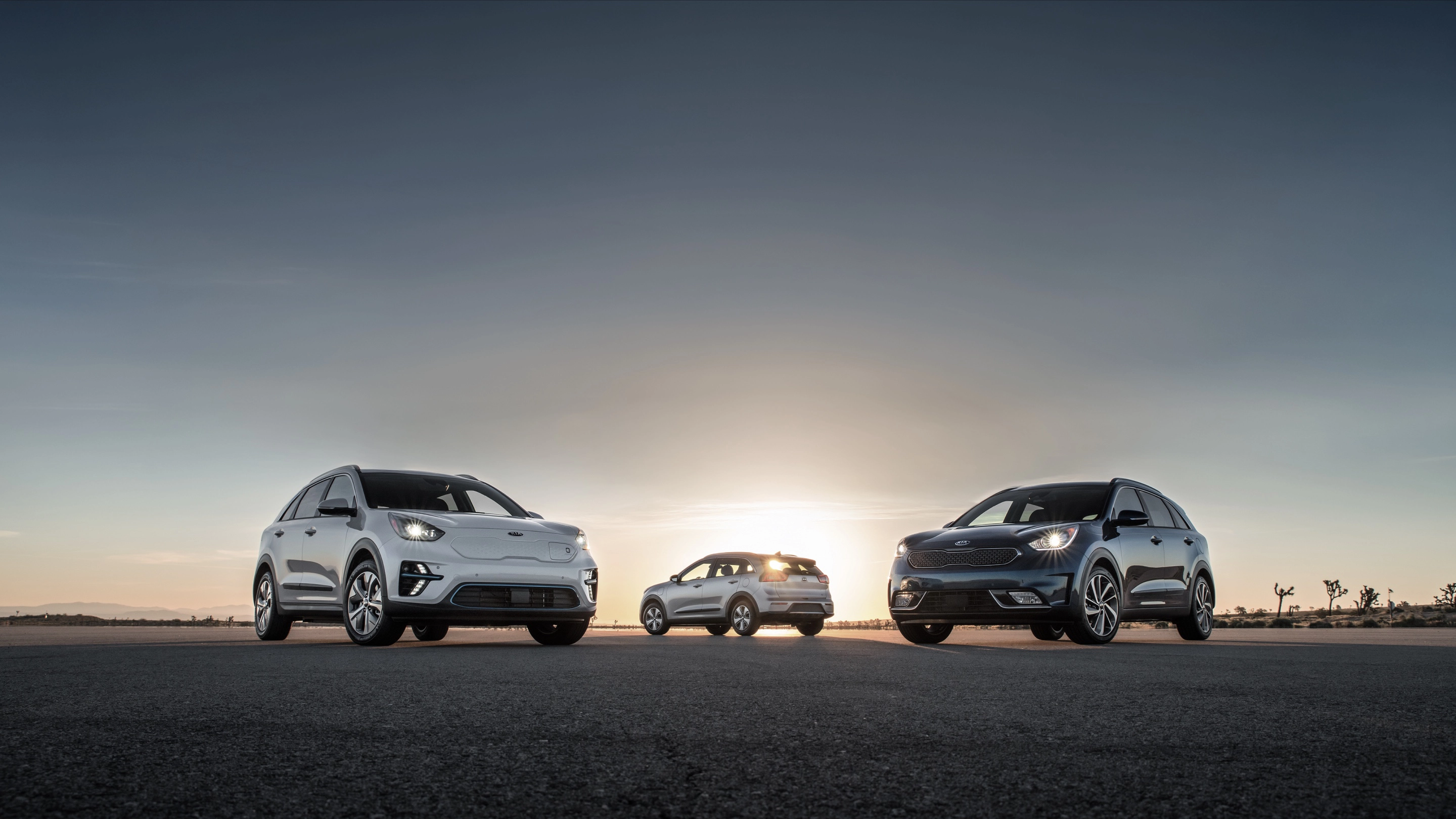
Front three-quarter view of three Kia Niro EVs parked on flat ground with sunrise background

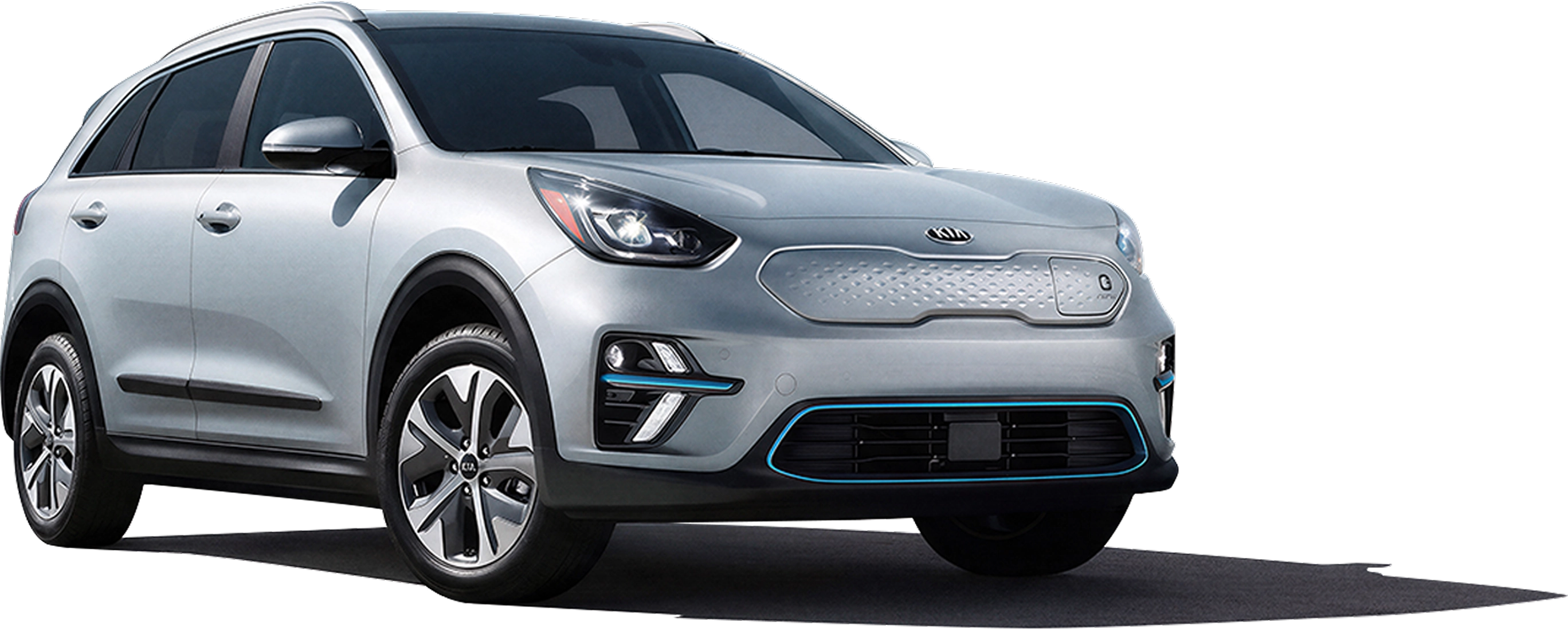
The Niro EV offered a practical electric family SUV with long range and generous space.

Niro EV

Front three-quarter view of Kia Niro EV

Setting a New Standard for Electric Vehicles

The name “Niro” combines “Near Zero” and “Hero,” pointing toward an era of eco-friendly vehicles. True to its name, the Niro EV completed the Niro’s eco-friendly powertrain lineup, following the hybrid (HEV) and plug-in hybrid (PHEV).
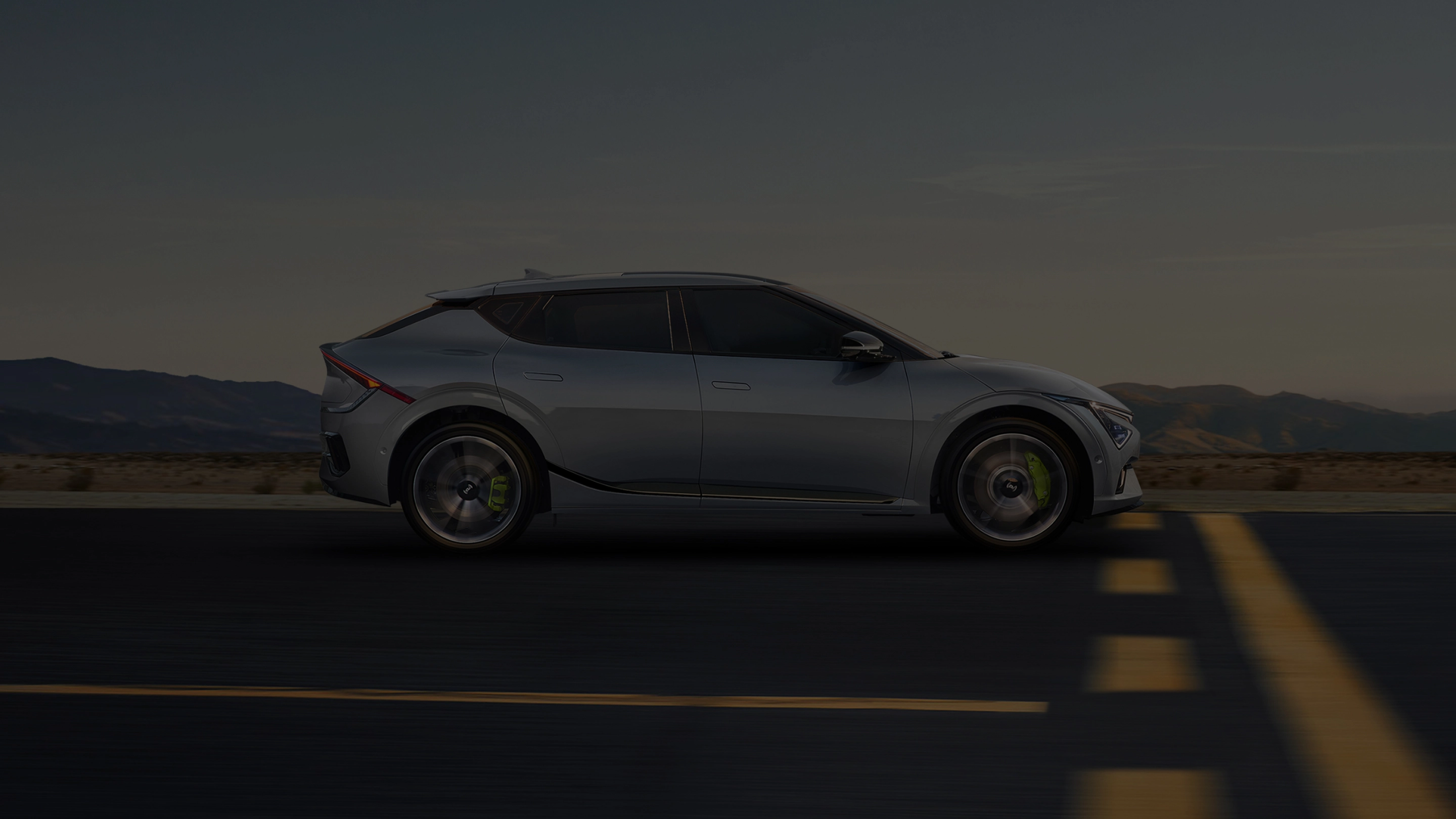
Side view of a Kia EV6 driving on a road

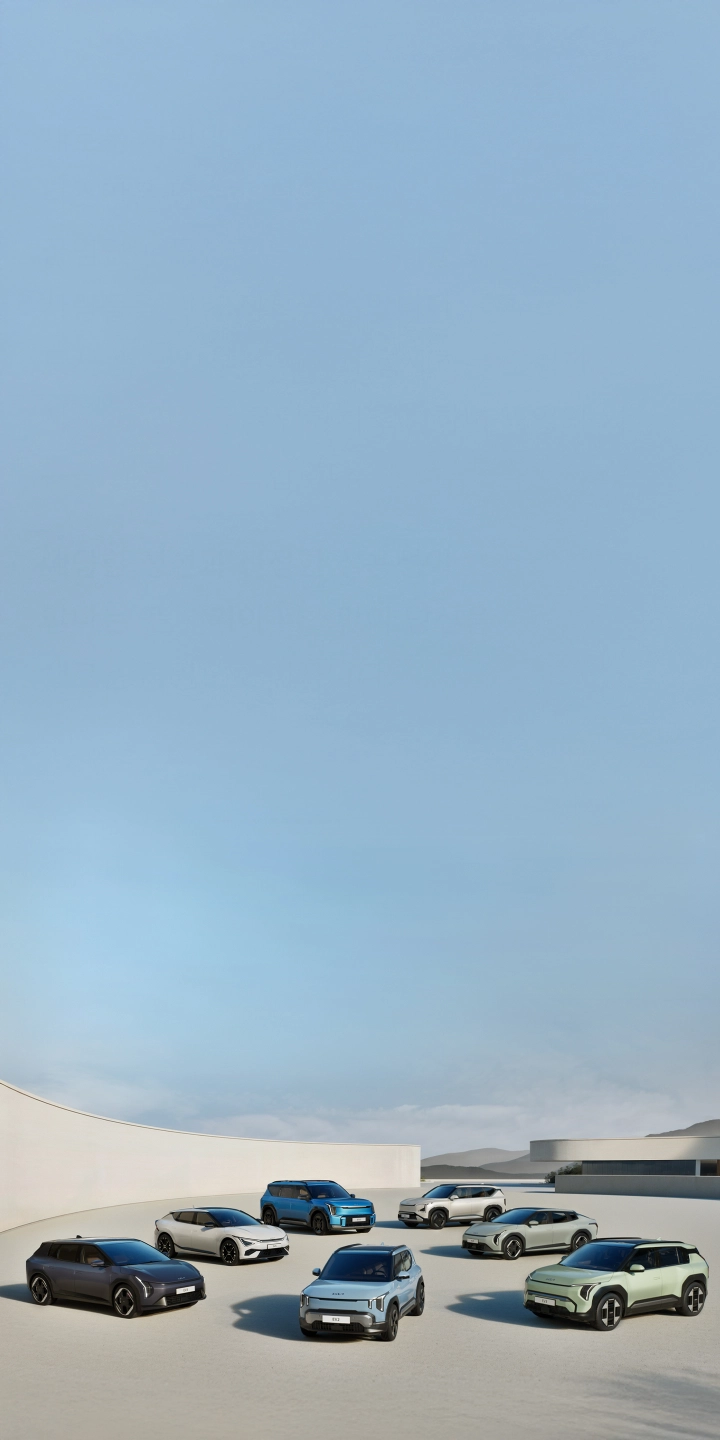
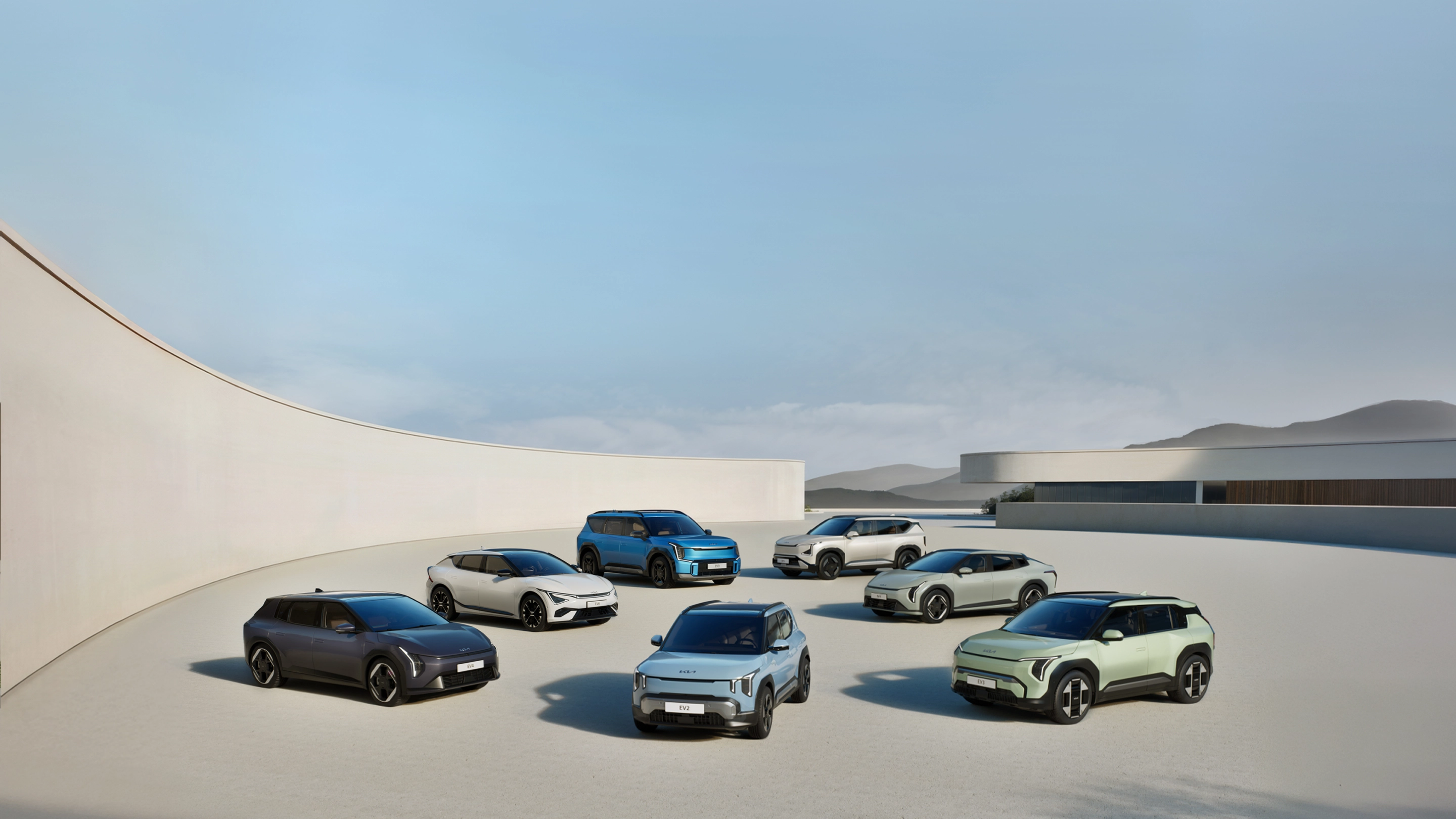
Today, Kia EVs have grown into a lineup designed for an even wider range of lifestyles.

Various Kia electric vehicle models arranged in a spacious outdoor areaVarious Kia electric vehicle models arranged in a spacious outdoor area

From a 1986 marathon broadcast vehicle, Kia EVs extended their reach to passenger EVs, production models, and global EVs.
Kia applied each vehicle’s advances to the next, steadily refining its EVs with longer range, more space, and easier charging. That progression continues in today’s diverse Kia EV lineup.
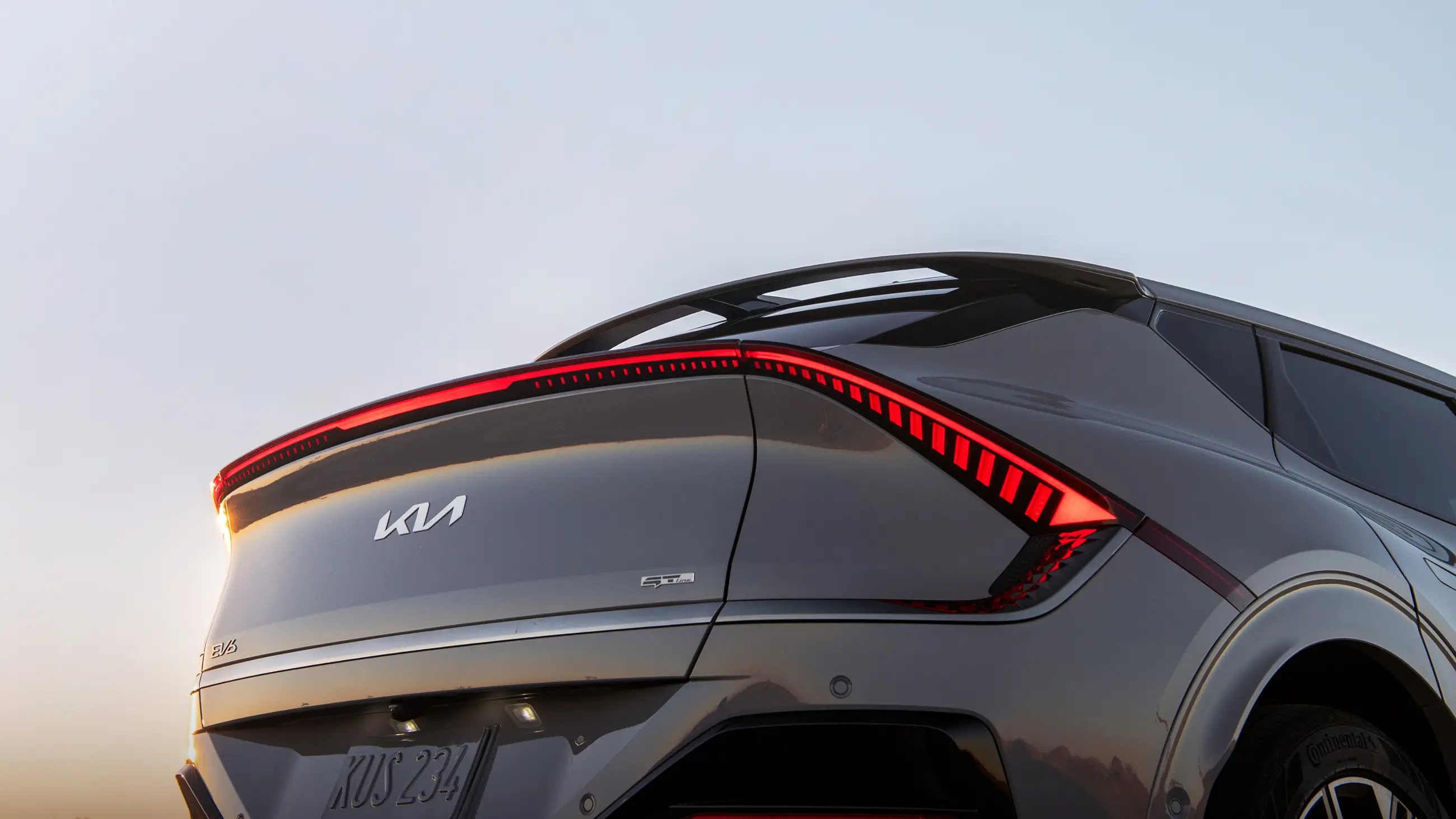
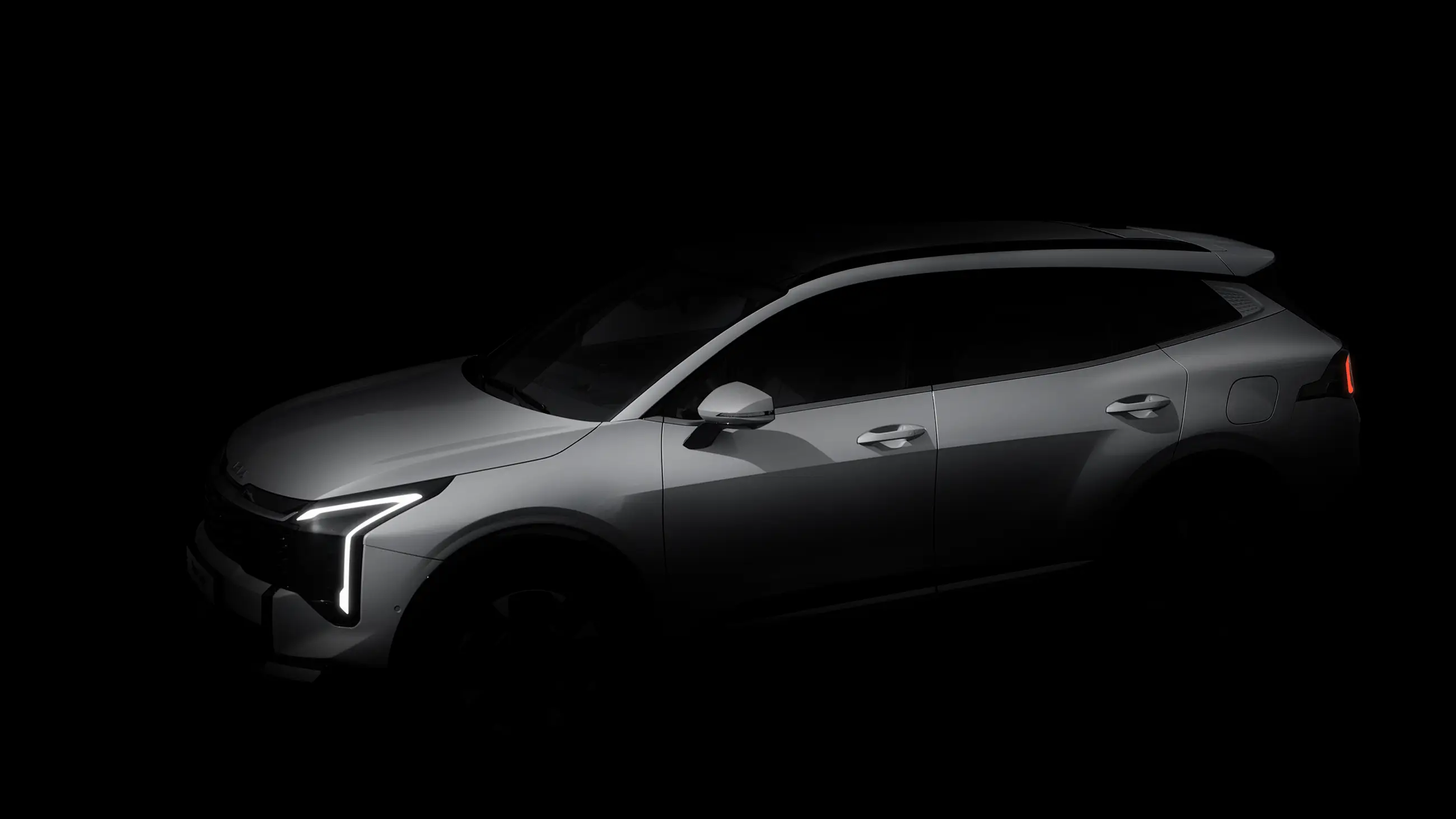
A long legacy of pioneering and preparation has built the confidence behind today’s Kia EVs.